
What is a Hairplant?
As we’ve discussed in our previous look at Hollywood and sports icons, the terminology surrounding hair restoration is evolving just as fast as the technology itself. While most people use “hair transplant” as the catch-all term, you might have come across the more informal—and sometimes misunderstood—term “hairplant.”
In the professional world of 2026, we don’t look at a hairplant as a mystery or a secret; we see it as the intersection of high-speed lifestyle and high-tech grooming. Whether you are a snowboarder hitting a double black diamond or a professional navigating the corporate ladder, understanding the “plant” in hair restoration is key to a successful transformation.
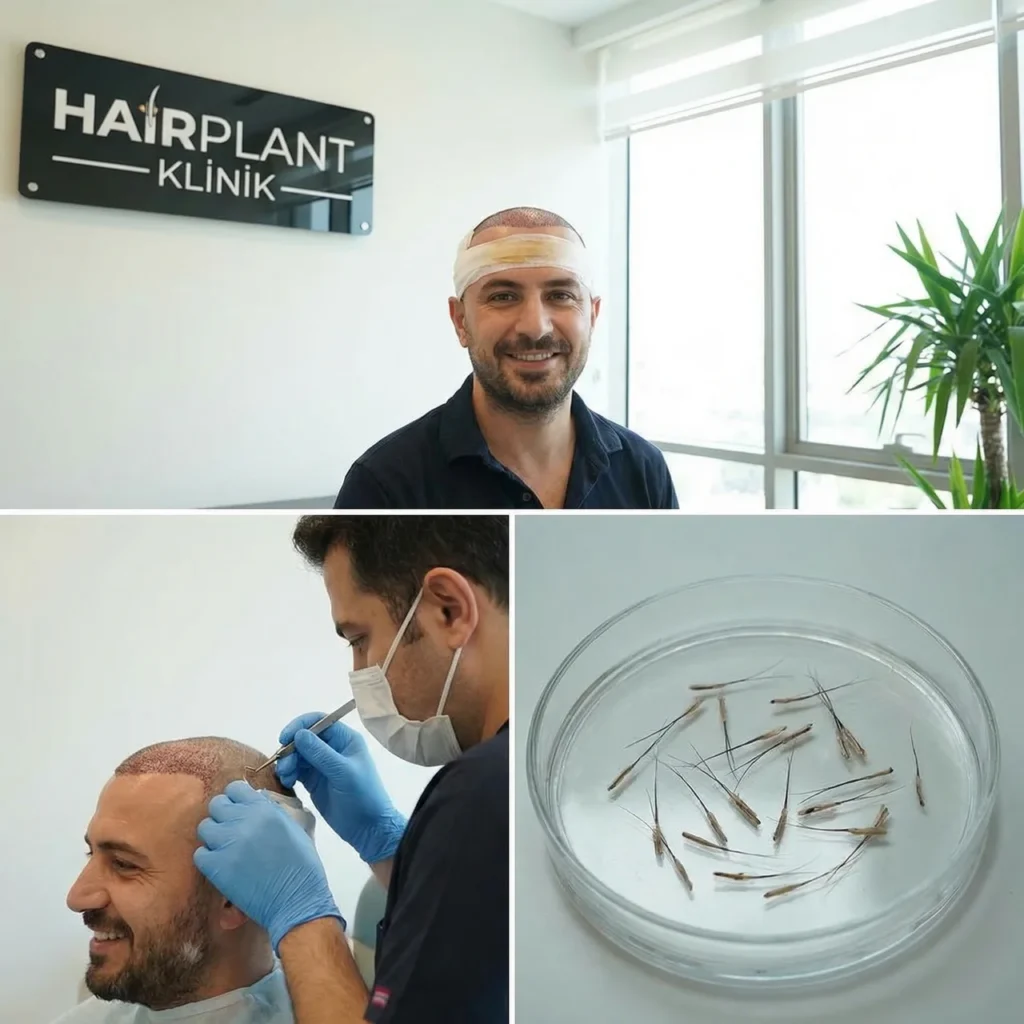
1. What is a “Hairplant”? Decoding the Terms
The term hairplant is often used in two very different contexts. Understanding the difference is crucial for anyone looking into restoration.
The Slang: A High-Stakes Fall
In the world of extreme sports like snowboarding and skiing, a hairplant (similar to a “faceplant”) refers to a fall where a rider lands head-first in the snow. In 2026, for someone who has recently invested in their hair, this is the ultimate nightmare. As we’ve seen with athletes, protecting those new grafts from physical trauma is the number one priority during the first three months of recovery.
The Procedure: Hair Transplantation vs. Implantation
In a clinical setting, people sometimes use hairplant as a shorthand for hair implantation.
- Hair Transplantation: Moving your own live follicles from one area to another (like the FUE method used in the Joel McHale hair transplant).
- Hair Implantation (NIDO): This involves “planting” synthetic, biocompatible fibers into the scalp. While this provides instant density, it doesn’t grow like natural hair. In 2026, most experts prefer the natural longevity of a transplant over a synthetic implant.
2. Why the “Planting” Phase is Critical
Whether you call it a transplant or a hairplant, the “planting” phase—the first 10 to 14 days after the procedure—is where the magic (and the risk) happens.
The Anchoring Period
During a hairplant procedure, the surgeon creates microscopic channels. For the first few days, these follicles are simply “sitting” in place. They haven’t yet connected to your blood supply. This is why you must be incredibly careful; a simple bump to the head or a tight-fitting helmet can dislodge the “plant” before it takes root.
The Importance of Scalp Health
Just like a real plant needs healthy soil, your hair grafts need a healthy scalp. In 2026, we use PRP (Platelet-Rich Plasma) to “fertilize” the area, ensuring that the blood vessels quickly connect to the new follicles. This is what separates a standard procedure from a high-end hairplant result that lasts a lifetime.
3. Why Individuals are Choosing the “Plant”
The decision to go through with a hairplant restoration is a tactical move for modern professionals. It’s no longer about hiding a secret; it’s about optimizing your appearance for your life goals.
- Aesthetic Geometry: A successful hairplant doesn’t just add hair; it restores the “golden ratio” of your face. By bringing the hairline forward, you draw attention back to your eyes and jawline.
- Permanent ROI: Unlike lotions or pills that you have to use forever, a transplant is a one-time investment. Once those follicles are “planted,” they are genetically programmed to stay there.
- The Confidence Catalyst: There is a direct link between how you feel about your hair and how you perform in high-pressure environments. Removing the “hairline anxiety” allows you to put 100% of your focus on your work or your sport.
4. Conclusion: Rooted in Confidence
In 2026, we’ve moved past the era of guessing and “mysteries.” A hairplant is a well-understood, highly effective medical procedure that has helped everyone from tech CEOs to F1 drivers stay at the top of their game.
By understanding the science of how follicles are harvested and “planted,” you can take the first step toward a transformation that is as resilient as it is natural. Don’t let hair loss be a permanent fixture in your life—take control, do your research, and get ready to see a version of yourself that is rooted in confidence.