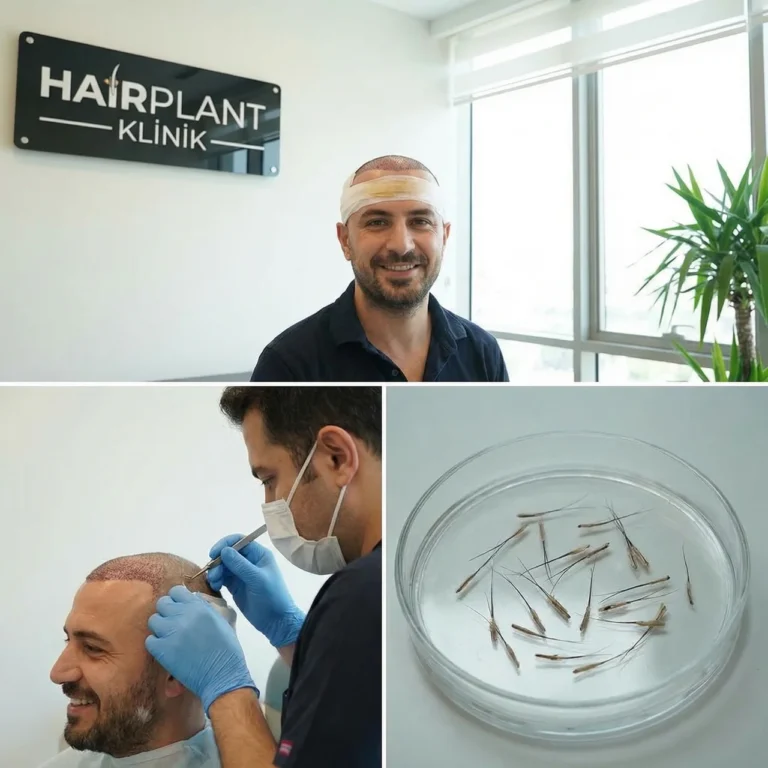
The Spiritual Balance: A 2026 Perspective on Ramadan Fasting Hair Loss Transplant
When we discuss ramadan fasting hair loss transplant dynamics, we must first look at the body’s internal clock. During Ramadan, the shift in metabolic patterns—moving from consistent daytime fueling to the Suhoor and Iftar cycle—triggers a process known as autophagy. While autophagy is excellent for cellular cleaning, hair follicles in the “Anagen” (growth) phase are extremely nutrient-hungry.
The challenge during a ramadan fasting hair loss transplant recovery period is ensuring that the “nutrient-gap” created during the day doesn’t stress the delicate new grafts. Hair follicles require a constant supply of oxygen and micro-nutrients through the bloodstream. When you fast, your body prioritizes vital organs (heart, brain, liver) over peripheral tissues like the scalp.

2. Managing Post-Op Recovery While Fasting
Can you fast immediately after surgery? Most surgeons recommend a “grace period.” If your procedure is scheduled during the holy month, the ramadan fasting hair loss transplant protocol usually suggests delaying the fast for the first 3 to 5 days post-op. This is because the body needs immediate hydration and anti-inflammatory medications to settle the grafts.
However, once the initial healing phase is over, many patients successfully continue their fast. The key to a successful ramadan fasting hair loss transplant journey lies in the hours between Iftar and Suhoor. You must treat this window as a “nutrient loading” phase to compensate for the daytime restriction.
3. The Nutritional Blueprint for Graft Survival
A significant concern with ramadan fasting hair loss transplant is potential nutrient deficiency. Hair is primarily made of a protein called keratin. If your protein intake drops significantly during Ramadan, you might experience “Telogen Effluvium”—a temporary shedding that can be alarming for transplant patients.
Suhoor: The Foundation of Growth
To protect your grafts, your Suhoor (pre-dawn meal) should be rich in slow-release complex carbohydrates and high-quality proteins. Including eggs, avocados, and whole grains ensures that your scalp receives a steady supply of energy throughout the fasting hours.
Iftar: The Rehydration Phase
Breaking your fast during a ramadan fasting hair loss transplant recovery requires more than just calories; it requires electrolytes. Dehydration can lead to poor blood circulation in the scalp. Focus on water-rich fruits, lean proteins like grilled chicken or fish, and nuts that provide essential zinc and iron—the building blocks of hair.
4. Medication and Timing: A Spiritual Consideration
One of the most frequent questions regarding ramadan fasting hair transplant is the use of medications. Most scholars and medical experts agree that local anesthesia used during the procedure does not break the fast, but oral medications (antibiotics and painkillers) taken during the day would.
To align your ramadan fasting hair loss transplant with religious duties, many clinics in 2026 offer “Night Surgery” or “Late Afternoon” sessions. This allows the patient to take their necessary post-operative medications at Iftar and Suhoor without breaking their fast.
5. Stress, Cortisol, and Hair Loss
Fasting can sometimes lead to an increase in cortisol (the stress hormone), especially if sleep patterns are disrupted by late-night prayers. High cortisol levels are a known enemy of hair growth. In the context of ramadan fasting hair transplant, it is vital to prioritize “Sacred Rest.”
Ensure you are taking naps during the day to keep your cortisol levels low. A stressed body is less likely to provide the necessary resources for hair follicle attachment. Remember, the goal of ramadan fasting hair transplant management is to keep the body in a state of “Parasympathetic Ease.”
6. Myth-Busting: Does Fasting “Kill” New Grafts?
There is a common myth that ramadan fasting hair transplant results will always be inferior. In 2026, clinical data shows that as long as total daily caloric and nutrient intake remains stable, the timing of the meals has a negligible impact on long-term survival rates.
The follicles do not “die” during a 14-hour fast; they simply slow down their metabolic rate. As long as you provide the “Super-Food” boost at night, your ramadan fasting hair transplant will yield the same density and thickness as a procedure performed at any other time of the year.
7. Conclusion: Faith and Transformation in Harmony
The journey of a ramadan fasting hair loss transplant is a testament to the modern human’s ability to balance tradition with innovation. By following a strict nutritional plan at night and allowing for rest during the day, you can fulfill your spiritual obligations while watching your new hair take root.
Don’t let the fear of “fasting hair loss” stop you from your transformation. With the right preparation, your ramadan fasting hair loss transplant experience can be a period of both physical and spiritual rejuvenation.
Ramadan Fasting & Hair Health: Top 10 FAQ
Not directly. Hair loss during Ramadan is usually caused by dehydration or a sudden drop in protein intake. Drinking plenty of water at night and eating protein-rich foods prevents this.
While medically possible, it is safer to be hydrated and nourished on surgery day. Most experts suggest scheduling your procedure around the fasts to ensure the best graft survival.
Most scholars agree that a hair transplant under local anesthesia does not break the fast because the injections are not nutritional. However, always consult your local religious authority for guidance.
Hydration is everything. Aim for 2-3 liters of water between Iftar and Suhoor. Supplementing with Biotin or Zinc at Suhoor can also help support hair strength throughout the day.
Yes, it is widely accepted as Halal. It is considered a medical treatment to restore your original appearance, using your own hair follicles rather than an external substance.
Yes. Topical treatments applied to the scalp are permitted because they are not ingested. You can continue your hair care routine as usual during fasting hours.
Yes, grafts need good blood flow to survive. If you are fasting post-op, you must compensate with heavy hydration at night to keep the scalp healthy and oxygenated.
It can feel more intense due to the stress of a changing routine, but it is temporary. Your hair will begin to grow back once the follicles settle, usually starting 3-4 months post-op.
Start with dates for a quick energy boost, but prioritize lean proteins (chicken, fish) and leafy greens to provide the building blocks your hair needs to grow.
The most comfortable time is right after Ramadan ends. This allows you to focus 100% on your recovery and nutrition during the most critical first 14 days of growth.