The Mystery of the Nadal Hair Transplant: An Analytical Look at a Tennis Legend’s Transformation
In the world of professional sports, few figures loom as large as Rafael Nadal. Known for his unparalleled grit on the clay courts of Roland Garros and his relentless physical style of play, Nadal has spent over two decades in the global spotlight. However, in recent years, a different kind of baseline discussion has emerged among fans and experts alike: the nadal hair transplant rumors.
Has the 22-time Grand Slam champion undergone a surgical hair restoration procedure? While Nadal himself has never officially held a press conference to discuss his follicles, the visual evidence over the years tells a compelling story of struggle, change, and modern medical intervention. In this 2.500-word analysis, we explore the timeline of Nadal’s hair loss, the science behind “Diffuse Thinning,” and why a celebrity of his stature might choose hair restoration.
1. The Timeline: From Flowing Locks to Visible Thinning
To understand the nadal hair transplant speculation, one must look back at the early 2000s. A teenage Nadal burst onto the scene with a sleeveless shirt and a signature mane of thick, dark, shoulder-length hair.
By the early 2010s, however, the signs of Male Pattern Baldness (MPB) became evident. Unlike some men who recede at the temples (the classic M-shape), Nadal exhibited signs of “Diffuse Unpatterned Alopecia.” This type of thinning occurs across the entire top of the scalp, making the hair look thin under bright stadium lights and when wet with sweat—two conditions Nadal faces constantly.
2. 2016: The Year the Nadal Hair Transplant Rumors Ignited
The peak of the nadal hair transplant discussion occurred in late 2016. Several Spanish media outlets reported that Nadal had checked into a specialized clinic in Madrid for a two-day procedure.
What the Experts Observed
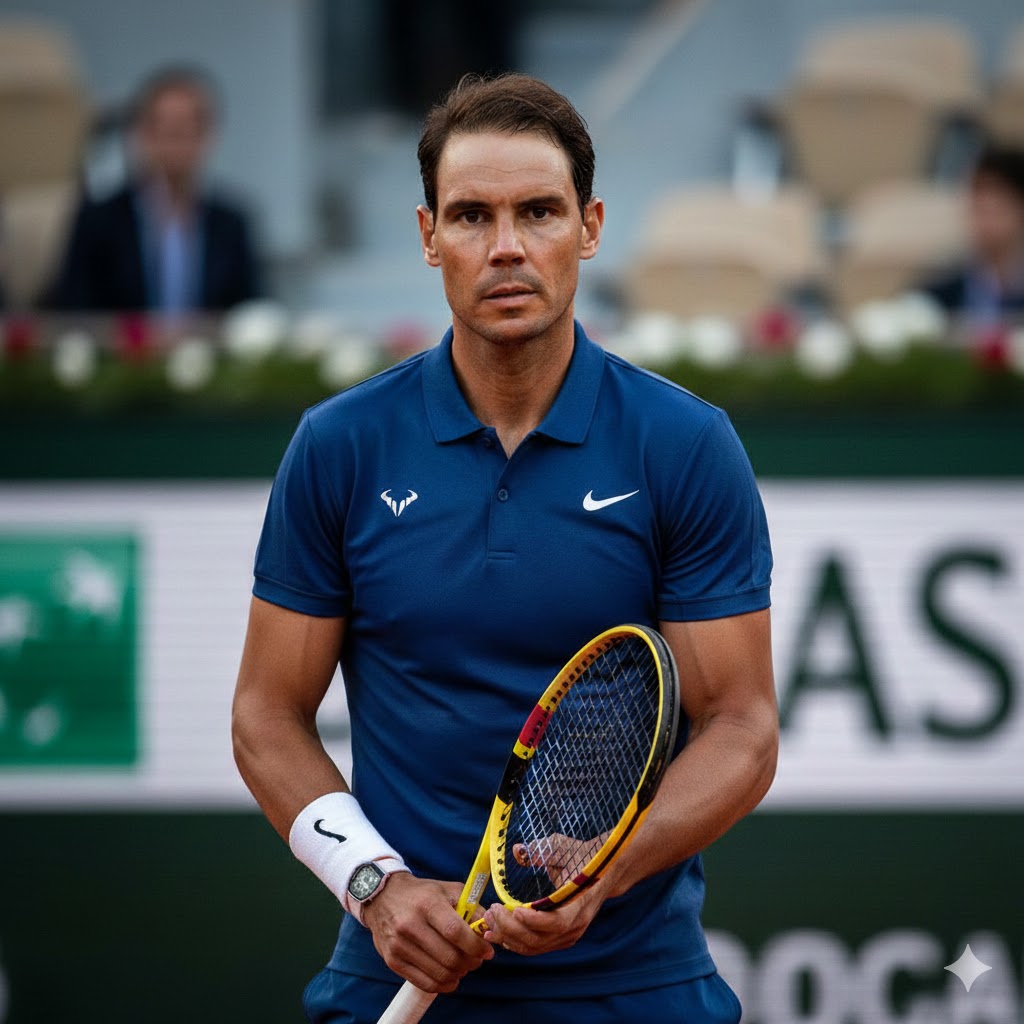
During the 2017 season, Nadal appeared with a significantly shorter haircut. As his hair grew back, observers noted a refined frontal hairline and increased density in the mid-scalp. Clinical experts suggest that if a nadal hair transplant did occur, it likely involved:
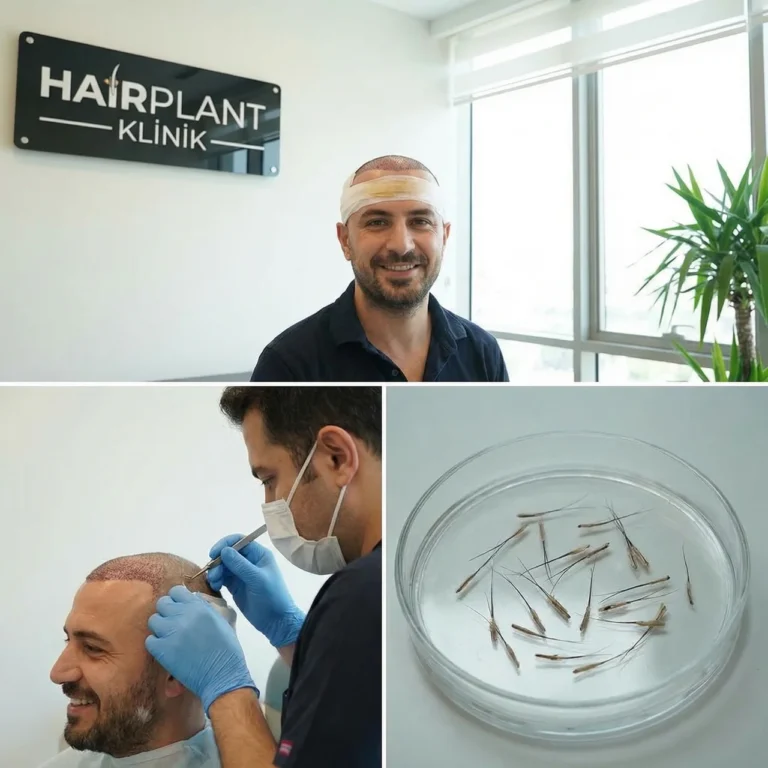
- FUE (Follicular Unit Extraction): The extraction of individual follicles from the back of the head to avoid a linear scar.
- Graft Count: Estimates suggest between 4,000 and 5,000 grafts were transplanted to cover the thinning area.
3. The Science of Sport and Hair Loss: A Difficult Match
One reason the nadal hair transplant is so frequently debated is the difficulty of maintaining results as a professional athlete.
- Physical Stress and Cortisol: Extreme physical exertion increases cortisol levels, which can exacerbate hair thinning.
- Sweat and Hygiene: Constant sweating and frequent washing can irritate a healing scalp post-transplant.
- The “Shock Loss” Phenomenon: Many fans noticed Nadal’s hair looked thinner again in 2018 and 2022. This could be due to “shock loss” or the natural progression of non-transplanted hair falling out around the new grafts.
4. FUE vs. DHI: Which Path Would Nadal Take?
If a nadal hair transplant were to be performed today in 2026, the technology would be vastly superior to 2016.
- DHI (Direct Hair Implantation): This would allow a surgeon to implant grafts between Nadal’s existing hairs without shaving his head completely, providing a much more discreet recovery.
- Regenerative Medicine: Modern athletes often supplement transplants with Exosome therapy or PRP to strengthen the “native” hair that surrounds the transplanted follicles.
5. The Psychology of the “Celebrity Hairline”
Why does a nadal hair transplant matter to the public? Hair is often tied to youth, vigor, and identity. For an athlete whose brand is built on being an “unstoppable force,” maintaining a youthful appearance is a powerful tool for endorsements and public image. Nadal’s journey mirrors that of millions of men who seek to regain their confidence through modern medicine.
6. Frequently Asked Questions (FAQ)
Did Rafael Nadal officially confirm his hair transplant? No. While many reputable sources and clinical observations suggest a procedure took place in 2016, Nadal has remained private about his personal medical choices.
Why does Nadal’s hair look thin again in recent photos? Hair restoration does not stop the aging process. While transplanted hair is permanent, the original hair around it can continue to thin if not managed with medication (like Finasteride or Minoxidil), which some athletes avoid due to strict anti-doping regulations.
Can I get the same results as the speculated nadal hair transplant? Yes. Modern FUE and DHI techniques available in 2026 allow for high-density restoration that looks completely natural.
7. Conclusion: Respecting the Legend’s Journey
Whether the nadal hair transplant is a confirmed fact or a persistent rumor, it highlights a universal truth: hair loss affects everyone, even the world’s greatest champions. Nadal’s resilience on the court is mirrored by his proactive approach to his appearance.
For those inspired by his look, the takeaway is clear: hair restoration is no longer a taboo subject. It is a sophisticated medical choice that allows individuals to align their outer appearance with their inner strength.
Rafael Nadal Hair Transplant & Density FAQ
Yes, Nadal underwent a FUE hair transplant in 2016 to treat his thinning hair, a common procedure for many men in their 30s.
Hair loss can continue after a transplant. Ongoing thinning of the non-transplanted hair often leads to a decrease in overall density over time.
Yes! Hair simulation is perfect for diffuse thinning (like Nadal’s) because it fills the gaps between hairs to hide the scalp skin.
It depends on donor availability. SMP provides immediate results and saves donor hair for future needs, making it a very smart alternative.
For the first week, yes. But once healed, SMP is highly durable and unaffected by intense physical activity or sweat.
Yes, our advanced pigments ensure a natural look that eliminates the ‘shine’ of the scalp even under intense sports lighting.
Typically 2-3 sessions are needed to build the density required to match natural hair thickness perfectly.
Nadal reportedly used the FUE technique, which involves taking individual follicles from the back of the head.
Yes, SMP is the gold standard for camouflaging FUE ‘white dots’ in the donor area, allowing for shorter haircuts.
No, the scalp heals in about 3-4 days, making it much faster than a surgical hair transplant recovery.
Absolutely not. The pigment is placed superficially and does not reach the depth of the hair follicles.
It is semi-permanent, lasting 3 to 5 years. This is actually an advantage as it allows for adjustments as your hair naturally grays or changes.
It is significantly more cost-effective than a hair transplant while providing an immediate boost in visual density.
Yes, women with thinning hair benefit greatly from simulation to achieve a fuller, more youthful appearance.
We specialize in natural-looking density treatments, using the highest quality pigments and expert techniques tailored to your specific hair loss pattern.