The Digital Edge: Mastering Your Transformation with a Modern Hair Cut Simulator
The traditional fear of a “bad haircut” is becoming a thing of the past. As we move through 2026, the gap between what we imagine in our heads and what the stylist achieves in the chair is being bridged by sophisticated spatial computing. A hair cut simulator has transitioned from a simple mobile app novelty into an essential grooming consultant. It allows individuals to test the structural integrity of a new silhouette—calculating how layers, angles, and weight distribution will interact with their specific facial geometry.
Choosing to alter your length is a psychological milestone. Whether you are contemplating a drastic “big chop” or a subtle trim to refresh your ends, the ability to simulate hair style options in a 360-degree virtual environment provides a level of certainty that was once impossible. This is not about following a trend; it is about using technology to discover the most harmonious version of yourself.
1. The Engineering of a Virtual Cut: How Modern Simulators Work
The reason a hair cut simulator in 2026 feels so radically different from its predecessors is the shift toward “Volumetric Modeling.” Instead of simply placing a flat image over your photo, modern software creates a digital twin of your head.
The Physics of the Cut
A premium hair cut simulator understands “hair fall.” It calculates how your hair texture—whether it is fine, thick, or curly—will behave once the weight is removed. If you have thick hair and want to try a bob, the AI predicts the “triangle effect” and suggests thinning the ends virtually. This ensures that the result you see on screen is physically achievable by your stylist.
The Rise of the Free Ecosystem
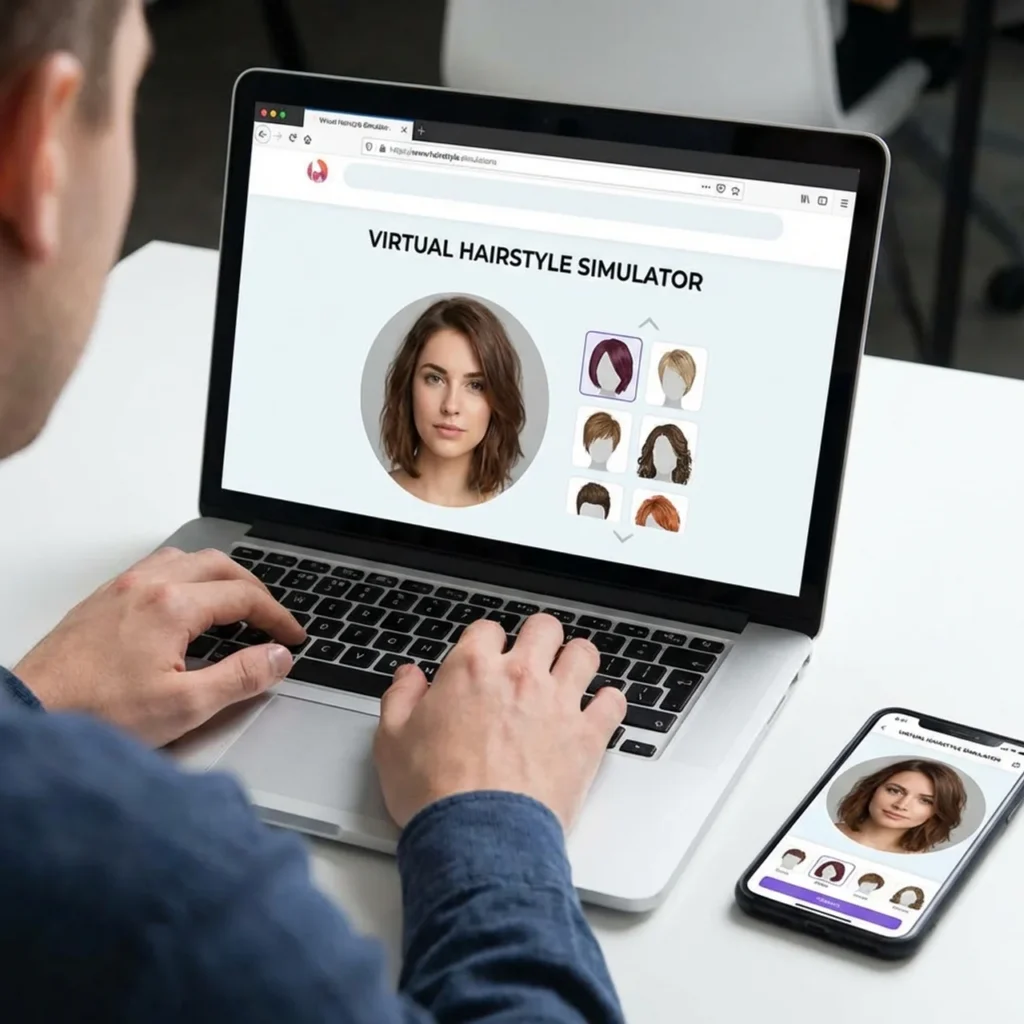
While professional salons use high-end hardware, the accessibility of the haircut simulator free market has empowered the everyday user. A hairstyle simulator free of charge can now be accessed via a web browser, offering a surprisingly accurate preview of popular styles like the “Wolf Cut” or the “Butterfly Cut.” These tools allow for endless experimentation without the barrier of a subscription fee, making professional-grade beauty consultations accessible to everyone.
2. Color and Shape: A Simultaneous Evolution
A haircut rarely exists in a vacuum; it is almost always influenced by color. This is why a modern hair cut simulator often integrates chemical visualization tools.
The Dying Hair Simulator
For those changing their shape and color at once, a dying hair simulator shows how light will hit the new layers. A layered cut might look stunning in a multidimensional blonde but lose its detail in a solid, dark brunette. The dying hair simulator uses GANs (Generative Adversarial Networks) to blend the new color into your roots, simulating a natural grow-out effect.
Customizing the Hue
By toggling the simulator hair color settings while adjusting length, you can find the “sweet spot” where the cut and the hue work together to enhance your skin tone. High-definition hair colour simulator tools in 2026 now account for the “fade factor,” showing you how your new cut will look as the color ages over six weeks. This level of detail in a hair colour simulator is what separates 2026 tech from the flat filters of the past.
3. Finding Your Fit: The Freedom of Free Simulation
In the current digital economy, the most popular way to test a new look is through a hair style simulator free platform. These services have become incredibly sophisticated, often sponsored by global brands to help consumers choose the right products for their new shape.
AI-Driven Face Shape Matching
Using a hair style simulator free of cost doesn’t mean sacrificing quality. In 2026, even the “lite” versions of these tools use AI to detect your face shape—be it heart, square, or oval—and suggest specific cuts that balance your proportions. If you’ve ever wondered if you can pull off a blunt bob, a hair cut simulator will show you the truth in high definition, helping you avoid a style that might accidentally shorten your neck or over-emphasize your jawline.
Why “Free” is the New Standard
The hair style simulator free model works because it allows users to build confidence. When you spend hours playing with different lengths, you become a more informed client. You learn the terminology of the industry—the difference between a “graduated bob” and an “A-line”—all through a simple, cost-free interface.
4. The “Bangs” Dilemma: Testing the Fringe
Bangs are perhaps the most impulsive decision a person can make in a salon. We have all seen the “at-home fringe” disasters. The hair bang simulator serves as a vital intervention tool.
The Precision of the Fringe
By using a hair bang simulator, you can test different variations such as curtain bangs, wispy fringe, or bold micro-bangs. The software analyzes your forehead height and eyebrow placement to show where the hair will naturally rest. A bangs hair simulator is particularly useful because it accounts for “jumpy” hair—showing you if your fringe will require daily heat styling to stay in place.
Avoiding the Regret
Using a bangs hair simulator saves months of “growing out” regret. It allows you to simulate hair style changes with total peace of mind. For many, the result of a hair bang simulator session is the realization that they prefer a face-framing layer instead, preventing a cut that would have taken half a year to reverse.
5. Designing Your 2026 Identity
The era of “guessing” is over. The hair cut simulator has democratized beauty, giving every individual the tools of a professional consultant. Whether you are utilizing a haircut simulator free to browse new trends on your lunch break or using a dying hair simulator to plan a total reinvention, the power lies in the preview.
Your hair is a reflection of your identity, and in 2026, that identity is yours to design. Take the leap, but do it with the data. With a hair cut simulator, you aren’t just changing your hair; you are perfecting your image. By taking the time to simulate hair style possibilities, you ensure that the person you see in the mirror is the person you’ve always wanted to be.
Modern Hair Cut Simulator: Top 10 FAQ
It’s an AI-powered tool that allows you to virtually ‘try on’ different haircuts and styles with photorealistic accuracy. It helps you visualize your transformation before making any real-world changes.
By showing you exactly how a cut will look on your specific face shape and with your hair texture, the simulator removes the guesswork and risk from trying a new style.
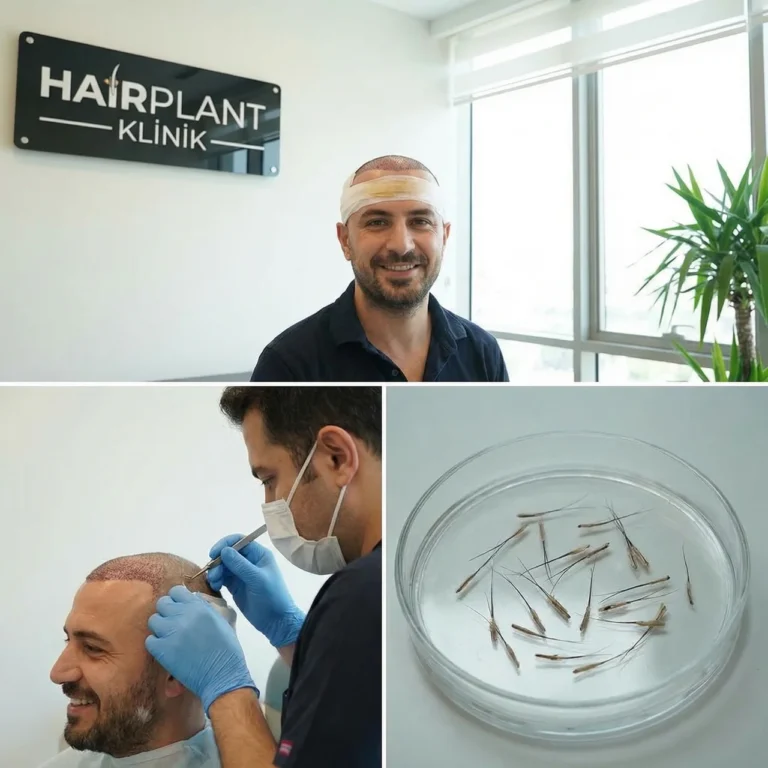
Yes! You can simulate the results of a restoration procedure, helping you choose the best hairline design and density to match your facial structure.
Modern AI is designed to handle everything from pin-straight hair to tight curls and coils, ensuring the preview respects your hair’s natural volume and movement.
It’s a process where the AI analyzes your facial proportions to recommend styles that create balance and symmetry, essentially finding the ‘best frame’ for your face.
Advanced simulators can project how your hair will grow over 3 to 12 months, which is vital for anyone recovering from a transplant or growing out a short cut.
You can download a high-resolution ‘Style Report’ or digital blueprint from the simulator to show your barber exactly what look you’re aiming for.
Yes, leading platforms use secure encryption and private processing to ensure your photos are only used to generate your personal style preview.
Absolutely. You can customize both your hair and facial hair in the simulator to ensure your entire look is perfectly coordinated.
Simply upload a clear selfie to our modern hair cut simulator at hairsimulate.com. It’s the safest and most effective way to master your next big transformation.