An In-Depth Analysis of the Biological Causes of Hair Loss and Treatment Methods
Androgenetic alopecia and other forms of hair thinning represent a complex intersection of genetics, endocrinology, and environmental factors. For decades, the medical community has sought to decode the molecular signaling pathways that lead to follicular miniaturization. As we progress through 2026, the clinical landscape has shifted from mere symptom management to regenerative therapies. To effectively address thinning, one must first understand the multifaceted causes of hair loss and treatment methods that have been validated through rigorous clinical trials and histopathological studies.
This article explores the underlying biological triggers of hair shedding and evaluates the current gold standards in therapeutic intervention, ranging from hormonal modulation to advanced surgical restoration.
1. The Pathophysiology: Primary Causes of Hair Loss
Understanding the causes of hair loss and treatment methods begins with an examination of the hair growth cycle, which consists of the anagen (growth), catagen (transition), and telogen (resting) phases. In a healthy scalp, approximately 85-90% of follicles are in the anagen phase. However, various triggers can disrupt this equilibrium.
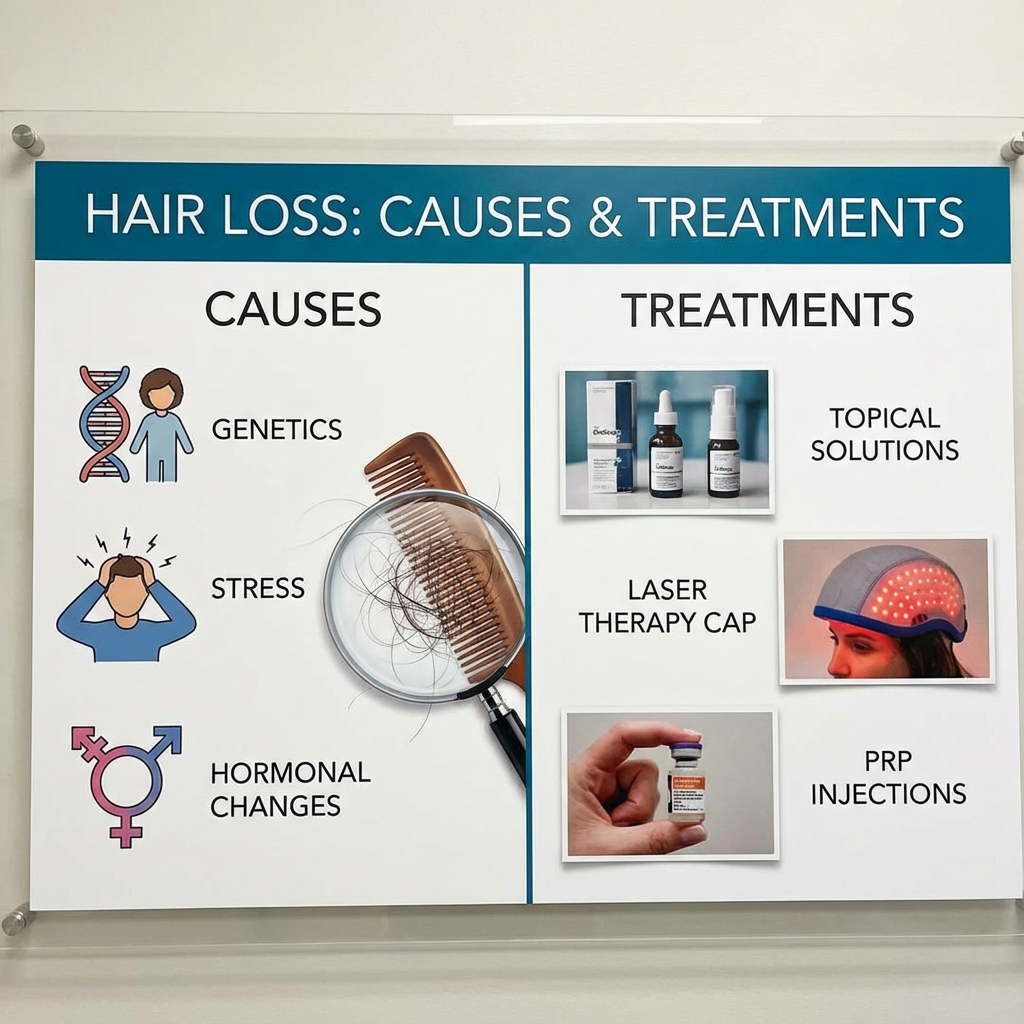
- Androgenetic Alopecia (AGA): This is the most prevalent cause, driven by the systemic conversion of testosterone into Dihydrotestosterone (DHT) by the enzyme 5-alpha reductase. In genetically predisposed individuals, DHT binds to androgen receptors in the hair follicles, leading to a shortened anagen phase and progressive miniaturization.
- Telogen Effluvium: Often triggered by acute physiological stress, high fever, or nutritional deficiencies, this condition forces a large percentage of follicles into the resting phase simultaneously, resulting in diffuse shedding.
- Autoimmune Responses: Conditions like Alopecia Areata occur when the body’s immune system mistakenly attacks the hair bulbs, causing localized patches of hair loss.
- Environmental and Lifestyle Factors: Oxidative stress, scalp micro-inflammation, and poor vascular microcirculation are increasingly recognized as secondary contributors to the acceleration of genetic thinning.
2. Pharmacological Interventions: Blocking the Mechanism
When discussing the causes of hair loss and treatment methods, pharmacology remains the first line of defense for many patients. The goal of medical treatment is twofold: to inhibit the hormonal triggers of loss and to stimulate the metabolic activity of the follicles.
- 5-Alpha Reductase Inhibitors: Medications like Finasteride and the more potent Dutasteride work by lowering systemic or scalp-level DHT. By reducing the presence of this androgen, the follicles are allowed to recover from miniaturization and return to a healthier growth cycle.
- Vasodilators: Topical Minoxidil remains a cornerstone of therapy. Its mechanism involves opening potassium channels and inducing vasodilation, which increases blood flow to the follicles and extends the anagen phase.
- Anti-Inflammatories: Since micro-inflammation is often present in the balding scalp, certain specialized shampoos and topical corticosteroids are used to maintain a healthy scalp environment, preventing the fibrosis that can make hair loss permanent.
3. Regenerative Medicine: PRP and Exosome Therapy
In recent years, the medical community has moved beyond daily pills toward regenerative “bio-therapies.” These methods utilize the body’s own growth factors to signal repair at a cellular level.
- Platelet-Rich Plasma (PRP): This involves extracting a patient’s blood, concentrating the platelets, and reinjecting them into the scalp. These platelets release growth factors (such as VEGF and PDGF) that stimulate angiogenesis—the formation of new blood vessels—around the hair follicles.
- Exosome Therapy: In 2026, exosomes have become a leading scientific frontier. These are extracellular vesicles that carry signaling molecules between cells. When applied to the scalp, they can “reprogram” dormant follicles to re-enter the growth phase, offering a potent non-surgical option in the spectrum of causes of hair loss and treatment methods.
4. Surgical Restoration: The Role of FUE and DHI
When follicles have completely miniaturized and the scalp has become fibrotic, non-surgical methods are often insufficient. This is where surgical restoration becomes the most effective intervention.
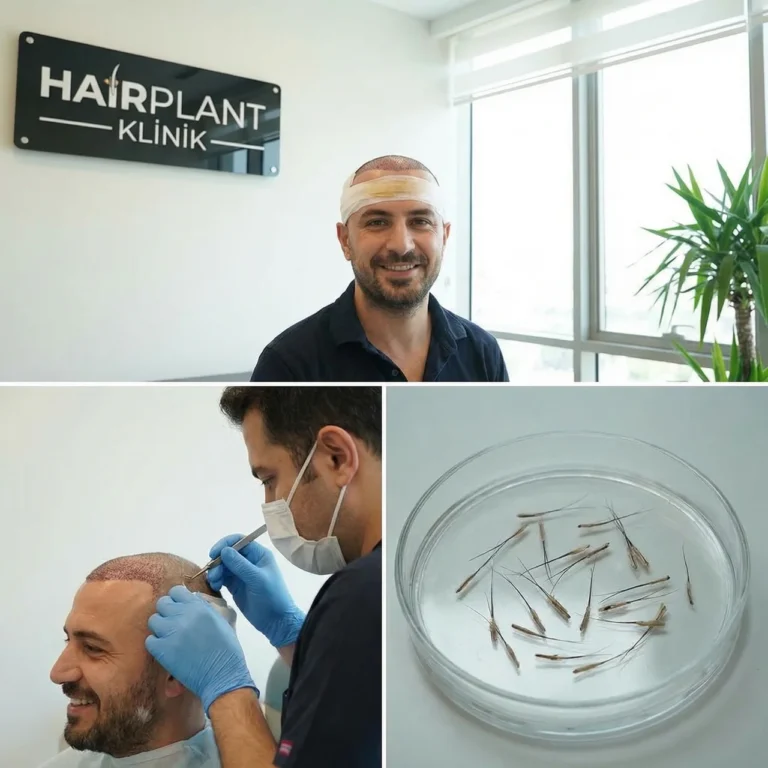
The two primary methods used today are Follicular Unit Extraction (FUE) and Direct Hair Implantation (DHI). DHI, in particular, has gained clinical favor for its ability to minimize ex vivo time—the period the follicle spends outside the body. By using the Choi Implanter Pen, surgeons can implant follicles directly into the recipient site, ensuring a higher survival rate and more precise control over the natural angle of growth. This surgical precision is a vital component of the modern approach to the causes of hair loss and treatment methods, providing a permanent solution for those with advanced stages of baldness.
5. Low-Level Laser Therapy (LLLT) and Photobiomodulation
Photobiomodulation is a non-invasive treatment that uses specific wavelengths of light (typically 650nm) to stimulate mitochondrial activity in the hair cells. The light energy is absorbed by cytochrome c oxidase, leading to increased production of Adenosine Triphosphate (ATP). This boost in cellular energy allows the follicle to work more efficiently, producing thicker hair shafts and reducing the rate of apoptosis (programmed cell death) in the hair bulb. While often used as a supplementary treatment, its role in modern clinical protocols is well-established.
6. The Importance of Early Diagnosis and AI Simulation
Early intervention is critical. Because hair loss is a progressive condition, the earlier a patient identifies the causes of hair loss and treatment methods suitable for their condition, the more “native” hair they can save.
In 2026, diagnostic AI tools can analyze scalp biopsies and high-resolution images to predict the future pattern of hair loss. Furthermore, simulation software allows patients to see the projected outcome of combined pharmacological and surgical treatments. This data-driven approach ensures that patients are not just chasing a “quick fix” but are investing in a long-term, scientifically validated plan to maintain their hair density.
7. Conclusion: A Multi-Modal Approach to Success
Hair loss is a multifaceted biological challenge that cannot be solved with a one-size-fits-all approach. Success lies in a “multi-modal” strategy that addresses the hormonal, nutritional, and mechanical aspects of the condition. By combining a deep understanding of the causes of hair loss and treatment methods with the latest advancements in surgical and regenerative technology, patients today have a higher probability than ever before of achieving full, permanent hair restoration. Whether through the precision of DHI or the cellular stimulation of exosome therapy, the science of 2026 has turned the tide against alopecia.
Hair Loss Causes & Treatments FAQ
Genetics (Androgenetic Alopecia) is the #1 cause, followed by hormonal shifts, stress, and nutritional gaps.
If it’s genetic, it’s progressive. If it’s due to stress or diet, it might be temporary. In both cases, SMP can help restore your look.
Scalp Micropigmentation (SMP) is excellent for thinning as it creates an instant illusion of density between your existing hairs.
Yes, lacking protein, iron, or key vitamins like D and B12 can lead to thinning and weakened hair follicles.
SMP is a non-surgical ‘shading’ of the scalp, while a transplant is a surgery that moves real hair follicles to bald areas.
Absolutely. High stress can trigger Telogen Effluvium, where hair falls out faster than it can regrow.
You can slow it down with medical help, but SMP is the most reliable way to hide the aesthetic effects permanently.
Look for a receding hairline, more hair in the brush than usual, and a scalp that is more visible under bright lights.
SMP is extremely safe and non-invasive. We use high-quality, organic pigments designed to be gentle on your skin.
Start with a professional consultation at hairsimulate.com to find a plan tailored to your specific hair loss type.