Clinical Perspectives: Identifying the Best Hair Loss Treatment for Female Patients
Hair loss in women is a complex dermatological challenge that differs significantly from male pattern baldness, both in its clinical presentation and its underlying biological triggers. While men typically experience localized recession, women often face diffuse thinning across the mid-scalp, known as the Ludwig scale pattern. In 2026, the search for the best hair loss treatment for female patients has moved beyond generic solutions, focusing instead on precision medicine that addresses hormonal fluctuations, nutritional deficiencies, and the micro-inflammation of the follicular environment.
To determine the most effective intervention, one must analyze the interplay between endocrine signals and follicular health. This article provides an in-depth scientific evaluation of the current gold standards in female hair restoration.
1. Understanding the Biological Triggers of Female Alopecia
Before identifying the best hair loss treatment for female thinning, we must categorize the cause. Female Pattern Hair Loss (FPHL) is often characterized by a shorter anagen (growth) phase and follicular miniaturization. Unlike men, women often have higher levels of aromatase, an enzyme that converts androgens into estrogens, providing a natural defense for the hairline.
However, when this balance is disrupted—due to menopause, Polycystic Ovary Syndrome (PCOS), or thyroid dysfunction—the hair follicles become sensitized to Dihydrotestosterone (DHT). Additionally, Chronic Telogen Effluvium (CTE) is more prevalent in women, often triggered by low ferritin (iron) levels or Vitamin D3 deficiencies. A scientific approach requires blood serum analysis to ensure that the chosen treatment aligns with the patient’s specific metabolic profile.
2. Pharmacological Standards: Minoxidil and Anti-Androgens
For decades, the pharmacological “first line” of defense has been Topical Minoxidil. It remains a strong contender for the best hair loss treatment for female patients due to its ability to open potassium channels and increase blood flow to the hair bulb. In 2026, the use of oral, low-dose Minoxidil has also gained clinical popularity for women who do not respond well to topical applications.
However, since FPHL is often driven by hormones, many clinicians combine Minoxidil with anti-androgens such as Spironolactone. This medication works by blocking androgen receptors and reducing the production of adrenal androgens. By addressing both the vascular supply and the hormonal sensitivity, this dual-action approach significantly increases the probability of hair regrowth and the stabilization of thinning.
3. Regenerative Therapies: Exosomes and PRP
Regenerative medicine has revolutionized the “bio-stimulation” phase of hair care. Platelet-Rich Plasma (PRP) therapy involves concentrating the patient’s own growth factors—such as Vascular Endothelial Growth Factor (VEGF)—and injecting them into the scalp. This creates a nutrient-rich environment that “wakes up” dormant follicles.
The next frontier, which many consider the best hair loss treatment for female diffuse thinning in 2026, is Exosome Therapy. Exosomes are extracellular vesicles that carry signaling proteins and mRNA directly to the hair follicle stem cells. Unlike PRP, which depends on the quality of the patient’s own blood, exosomes can be standardized in a lab to provide a potent, consistent signal for hair growth, making it an ideal choice for women seeking non-surgical density improvement.
4. Nutritional Optimization and the “Iron-Hair” Connection
In clinical trichology, the importance of the “internal environment” cannot be overstated. For many women, the best hair loss treatment for female shedding is not a drug, but the correction of a nutritional deficit. Ferritin levels below 70 ng/mL are frequently associated with a shortened anagen phase.
Hair follicles have a high metabolic demand; they are the second fastest-growing cells in the human body. Without adequate iron, biotin, and amino acids like L-lysine, the follicle cannot synthesize keratin effectively. Modern clinical protocols now prioritize “Nutraceutical” integration, using pharmaceutical-grade supplements to ensure the follicle has the raw materials necessary to produce a thick, pigmented hair shaft.
5. Surgical Solutions: DHI for Female Hair Restoration
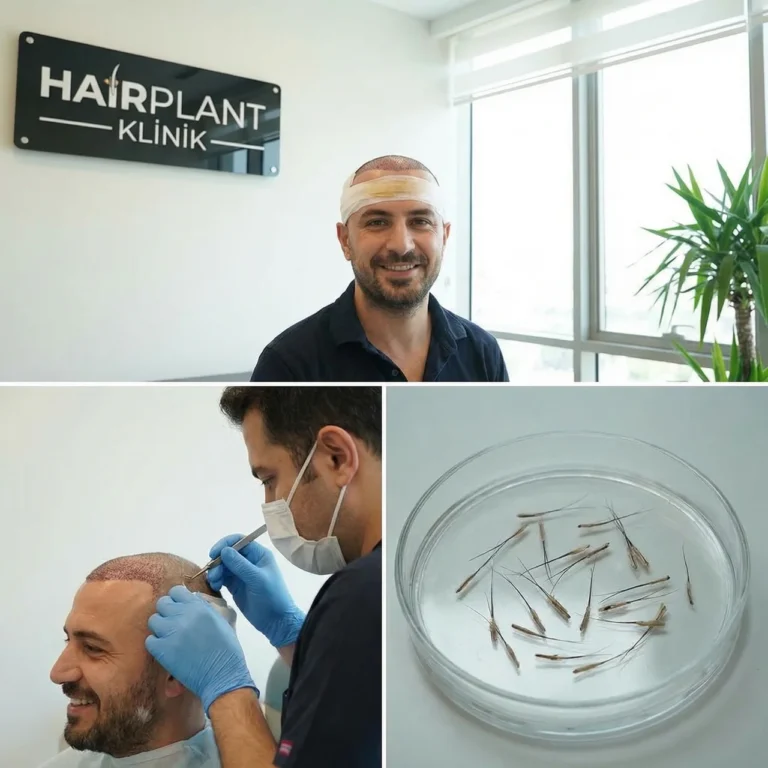
When thinning has progressed to the point of visible scalp transparency, surgical intervention becomes the most definitive solution. Direct Hair Implantation (DHI) is often cited as the best hair loss treatment for female patients who wish to avoid shaving their heads.
The DHI technique utilizes the Choi Implanter Pen, which allows the surgeon to implant follicles directly between existing hairs with extreme precision. This is particularly beneficial for women, as it allows for “High-Density Packing” in the mid-scalp and parting line without damaging the surrounding native hair. Because DHI provides 360-degree control over the angle and direction of the graft, the results are seamless and look entirely natural, allowing women to regain their density with minimal downtime.
6. Low-Level Laser Therapy (LLLT) and Photobiomodulation
Photobiomodulation is a non-invasive treatment that uses specific wavelengths of red light (usually 650nm) to stimulate the mitochondria within the hair cells. This increase in cellular energy (ATP) allows the follicle to stay in the growth phase longer.
For women who prefer at-home maintenance, high-quality LLLT devices have become a standard part of the long-term management of FPHL. While it may not be the “best” treatment on its own for advanced loss, as a supportive therapy, it enhances the efficacy of Minoxidil and PRP, making it a vital component of a multi-modal treatment plan.
7. The Importance of Scalp Health and the Microbiome
A neglected aspect of female hair loss is the health of the scalp itself. Chronic inflammation, often caused by seborrheic dermatitis or an imbalanced microbiome, can lead to “oxidative stress” that prematurely ages the hair follicle.
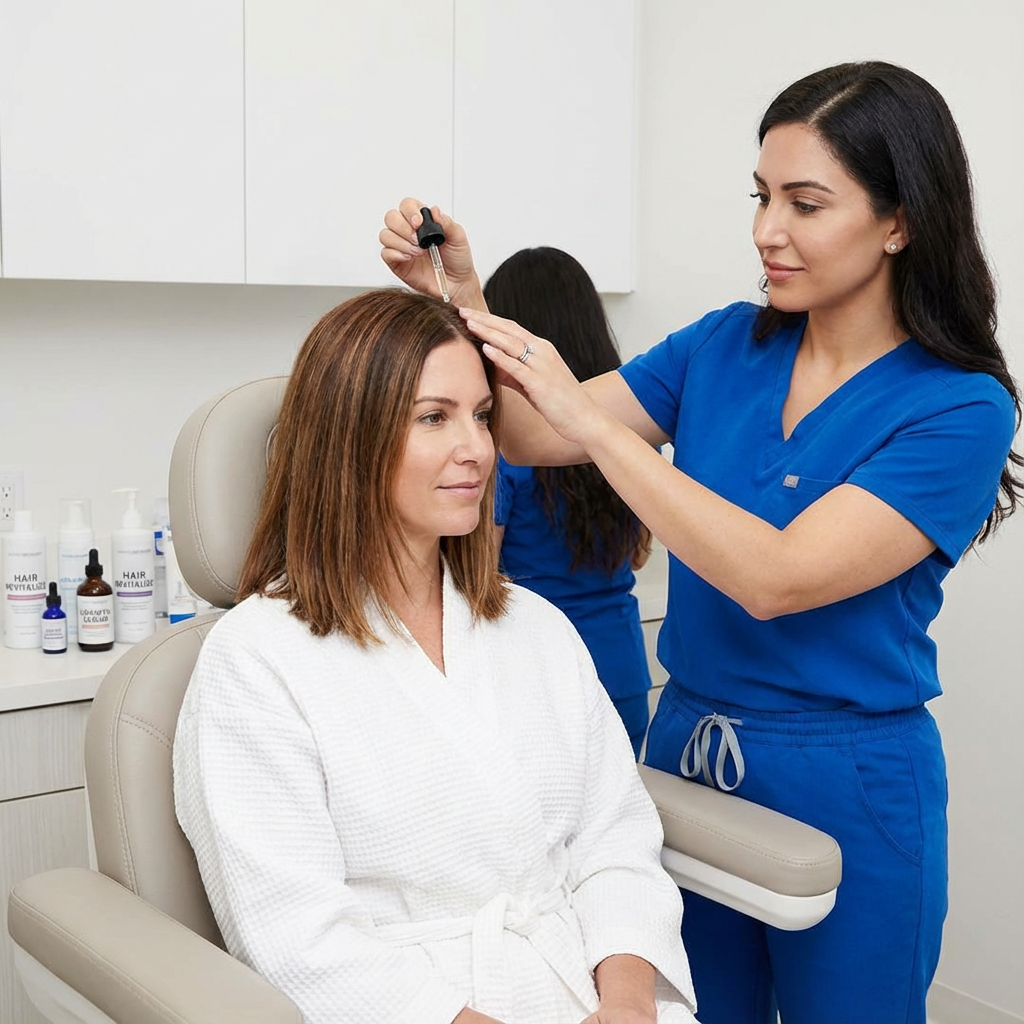
In 2026, the best hair loss treatment for female patients often includes scalp-detoxification protocols. By using specialized serums that balance the scalp’s pH and remove DHT-laden sebum buildup, we create a healthy “soil” for the hair to grow. A healthy microbiome reduces the inflammatory load on the follicle, allowing medical and regenerative treatments to work more efficiently.
8. Conclusion: A Personalized Strategy for Restoration
Female hair loss is a deeply personal and biological challenge. There is no single “miracle cure,” but rather a spectrum of effective interventions that must be tailored to the individual. Whether the best hair loss treatment for female patients in a specific case is hormonal regulation, regenerative exosomes, or the surgical precision of DHI, the key to success is early diagnosis and a multi-disciplinary approach. By combining the best of pharmacology, surgery, and nutrition, the science of 2026 ensures that every woman can find a path back to hair confidence and follicular health.
Female Hair Loss & Density FAQ
The best modern approach combines regenerative therapies (like PRP) with hair simulation (SMP) for both biological health and immediate visual thickness.
Yes, but since women often experience diffuse thinning across the whole scalp, SMP is often a more effective way to create an illusion of density without surgery.
Absolutely. SMP for women works by shading the scalp skin to match your hair color, effectively hiding the ‘see-through’ areas and making hair look much fuller.
Hormonal shifts (postpartum, menopause), high stress, nutritional deficiencies (like iron), and genetic predisposition are the leading factors.
Yes, it’s non-invasive. We use organic, medical-grade pigments at hairsimulate.com that are designed specifically for sensitive scalp tissue.
Typically 3 to 5 years. Because it is semi-permanent, it allows for natural adjustments as your hair color or style changes over time.
Yes. Once the initial healing phase (7 days) is over, you can continue using treatments like Minoxidil without affecting the simulation pigments.
Most clients experience only minor discomfort. We use specialized numbing creams to ensure the treatment is as relaxing as possible.
Usually 2 or 3 sessions are required to achieve the perfect depth and density to blend with your natural hair flow.
SMP is a permanent visual fix. It’s waterproof and low-maintenance, meaning you can swim, exercise, and style your hair without any worry.