The Biological Renaissance: A Clinical Guide to Hair Restoration in 2026
The landscape of aesthetic medicine has undergone a seismic shift as we move through 2026. What was once a field defined by simple surgical relocation has evolved into a sophisticated discipline of regenerative biology and micro-precision engineering. Today, hair restoration is no longer just a “point-in-time” surgery; it is a holistic, life-long science dedicated to the preservation of the follicular microenvironment. With the integration of Artificial Intelligence (AI), exosome therapy, and “Stealth” FUE techniques, the industry has reached a “High-Fidelity” era where success is measured by the total undetectability of the intervention.
In this extensive clinical review, we will explore the molecular advancements, surgical innovations, and personalized maintenance protocols that define the gold standard of hair restoration in the current year.
1. The Paradigm Shift: From Relocation to Regeneration
Historically, the primary limitation of any surgical intervention was the finite nature of the donor area. In 2026, the philosophy of hair restoration has shifted toward “Pre-juvenation” and “Hybrid Protocols.” Instead of waiting for extensive baldness, patients now intervene at the first signs of miniaturization.
Modern protocols involve “fertilizing” the scalp with mesenchymal stem cell-derived exosomes before a single graft is moved. This regenerative priming ensures that the recipient site is vascularized and receptive, significantly increasing graft survival rates which now consistently hit the 95-98% mark. By treating the scalp with the same rigor as facial skin—a trend known as “skinification”—surgeons are achieving results that were biologically impossible a decade ago.
2. Stealth FUE: The Rise of the No-Shave Procedure
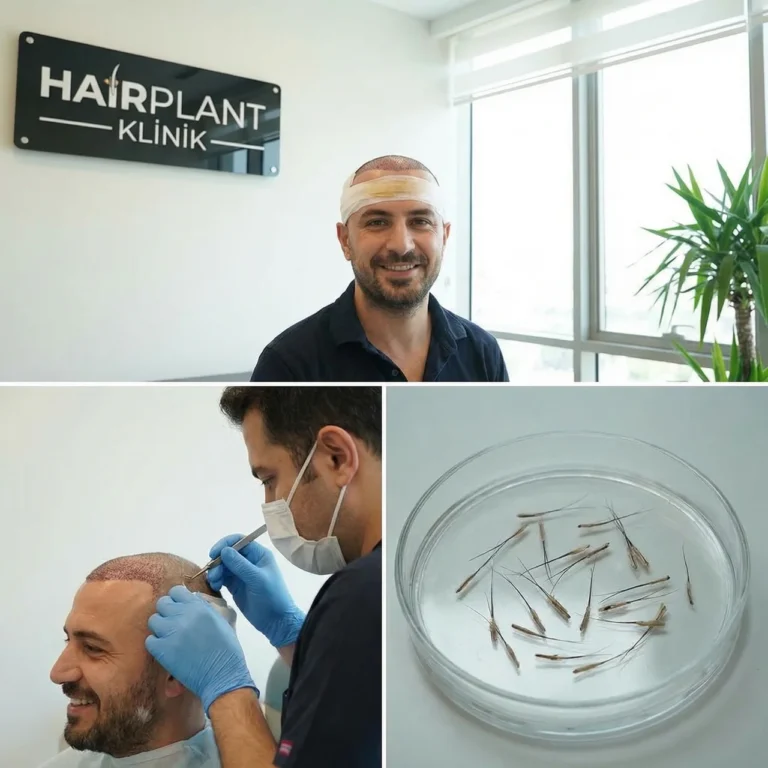
One of the most significant barriers to surgery was the social stigma of a shaved head. In 2026, “Stealth FUE” (No-Shave Follicular Unit Extraction) has become the premier choice for executives and public figures. This advanced form of hair restoration involves painstakingly extracting individual long hair follicles from the donor area without trimming the surrounding hair.
The benefits of the Stealth approach include:
- Immediate Discretion: Patients can return to public life or video conferences within 48 hours with no visible signs of surgery.
- No “Ugly Duckling” Phase: Because the hair is transplanted at its natural length (or trimmed only slightly), there is no waiting months for shaved patches to grow back.
- Artistic Alignment: Seeing the hair at its full length during implantation allows the surgeon to perfectly match the curl, exit angle, and flow of the existing hair.
3. DHI and the Choi Implanter Pen: Micro-Precision in 2026
Direct Hair Implantation (DHI) remains a cornerstone of high-density hair restoration. By using the Choi Implanter Pen, surgeons can bypass the traditional step of “channel opening.” This integrated approach reduces the “ex-vivo” time—the time a follicle spends outside the body—to a matter of minutes.
In 2026, DHI has been further refined with the use of Nano-blades, which allow for even closer placement of follicles. We are now seeing densities of up to 80-90 hairs per square centimeter in strategic zones like the frontal hairline. This “High-Density Packing” is essential for creating a natural look under the harsh, multi-directional lighting of modern offices and sports arenas.
[Table: Comparison of Hair Restoration Techniques in 2026]
| Feature | Sapphire FUE | DHI (Choi Pen) | Stealth FUE (No-Shave) |
| Best For | Large coverage (5,000+ grafts) | High-density hairlines | Absolute discretion |
| Shaving Required | Typically yes | No (for small areas) | No |
| Recovery Time | 7-10 days | 5-7 days | 2-3 days |
| Graft Survival | 94-96% | 96-99% | 95-97% |
4. Exosome Therapy 2.0: The Molecular “Super-Charger”
If surgery is the hardware of hair restoration, regenerative medicine is the software. Exosome therapy has evolved significantly in 2026. Unlike PRP (Platelet-Rich Plasma), which relies on the variable quality of a patient’s own blood, laboratory-derived exosomes provide a consistent, high-potency cocktail of signaling molecules.
These nano-vesicles contain specific mRNA and proteins that “re-program” dormant follicles. When injected during a hair restoration procedure, exosomes:
- Reduce Post-Op Inflammation: Accelerating the healing of the micro-wounds.
- Activate Wnt/β-catenin Pathways: The master biological switch for hair growth.
- Promote Angiogenesis: Encouraging the rapid formation of new blood vessels around the newly implanted grafts.
5. AI-Assisted Follicle Mapping and Robotics
Artificial Intelligence has moved from a buzzword to a silent partner in the operating room. In 2026, AI algorithms analyze the patient’s scalp in real-time, identifying the healthiest “multi-hair” units for extraction. This prevents over-harvesting and ensures that the donor area remains visually untouched.
Robotic systems, such as the latest iterations of the ARTAS platform, now assist in the repetitive extraction process with micron-level precision. This synergy between human artistry (in hairline design) and robotic consistency (in graft harvesting) has virtually eliminated human error in hair restoration, leading to more predictable and uniform results across different hair types, including the historically difficult Afro-textured hair.
6. The Rise of Female Hair Restoration
The demographics of the industry have shifted noticeably. In 2026, women represent nearly 20% of all hair restoration patients. Female hair loss often presents as a diffuse thinning rather than a receding hairline, necessitating a different clinical approach.
For women, the focus is on “inter-follicular” implantation—placing new grafts between existing ones without damaging the native hair roots. This requires the extreme precision of DHI and the support of medical therapies like Minoxidil-boosted mesotherapy. The goal is not just a lower hairline, but an overall increase in ponytail volume and the elimination of a wide “parting” line.
[Image: Mapping the inter-follicular placement for female hair restoration]
7. Personalized Maintenance: The Post-Op Life Cycle
A successful hair restoration is only as good as its long-term maintenance. In 2026, the concept of “personalized trichology” means that every patient leaves with a DNA-tested pharmaceutical plan.
Genetic testing allows doctors to determine exactly which medications will be most effective for a specific individual. For instance, some patients are “low responders” to Minoxidil due to a lack of specific enzymes in the scalp. By identifying this early, we can supplement the enzymes or switch to alternative growth stimulants, ensuring that the non-transplanted hair remains healthy and stable alongside the new grafts.
8. The “Ugly Duckling” Phase: Managing the Transition
Even with the best technology, the biology of hair growth cannot be entirely bypassed. Between week 2 and week 8 after a hair restoration procedure, most patients experience “shock loss.” This is a temporary shedding of the transplanted hair shafts as the follicles enter a resting phase.
In 2026, we manage this phase with Low-Level Laser Therapy (LLLT) and “bio-available” growth factor sprays. These tools don’t stop the shedding, but they significantly shorten the resting phase. Patients now see “permanent” growth starting as early as month 3, compared to the 6-month wait times of previous decades.
9. Ethical and Global Standards in 2026
As the market for hair restoration grows toward a predicted $12 billion value, global standards have become more stringent. The International Society of Hair Restoration Surgery (ISHRS) now mandates that all “Stealth” and “Robotic” procedures must be supervised by a specialized physician, protecting patients from “black market” clinics.
Quality is now defined by “Donor Health.” A successful procedure is no longer judged by how many hairs were moved, but by how much “reserve” remains in the donor area for future needs. This sustainable approach to surgery ensures that patients don’t just look good for their next wedding or event, but maintain a full head of hair for the next 30 to 40 years.
10. Conclusion: The Future of Follicular Science
The state of hair restoration in 2026 is a testament to the power of convergent technologies. By blending the mechanical precision of robotics, the biological potency of exosomes, and the artistic vision of expert surgeons, we have turned a once-stressful surgery into a refined, manageable aesthetic journey.
Whether you are a public figure seeking the absolute discretion of a Stealth procedure or an individual tackling early-stage thinning with regenerative hybrids, the tools of 2026 offer a level of hope and accuracy that was once the stuff of science fiction. Hair loss is no longer an inevitable part of the aging process; it is a clinical challenge with a definitive, scientific solution. As we look toward the next decade, the focus will continue to refine these “High-Fidelity” results, ensuring that everyone has the opportunity to reclaim not just their hair, but their confidence and identity.
Clinical Hair Restoration FAQ 2026
The gold standard is a hybrid approach. Combining FUE hair transplants with Scalp Micropigmentation (SMP) provides the most natural results.
Modern SMP now uses nano-pigments and AI-driven mapping to match follicle patterns perfectly and ensure 100% natural looks.
For patients with limited donor areas, non-surgical SMP is a superior alternative to surgery for achieving a full-hair appearance.
Yes, SMP is effective for Androgenetic Alopecia, Alopecia Areata, and even scarring where transplants are not possible.
SMP offers zero downtime, zero risk of graft failure, and an immediate psychological boost for the patient.
Modern hair simulation allows patients to return to their daily routine in just 2 to 4 days, much faster than surgical options.
At hairsimulate.com, we use iron-oxide free organic pigments that are clinically safe and do not change color over time.
Hair simulation has a near 100% satisfaction rate due to immediate results and fully customizable hairline designs.
Yes, specialized gray-scale pigments are used to match naturally aging hair seamlessly for a youthful look.
Clinical-grade restoration ensures long-lasting results, medical hygiene, and expert design that over-the-counter products can’t match.