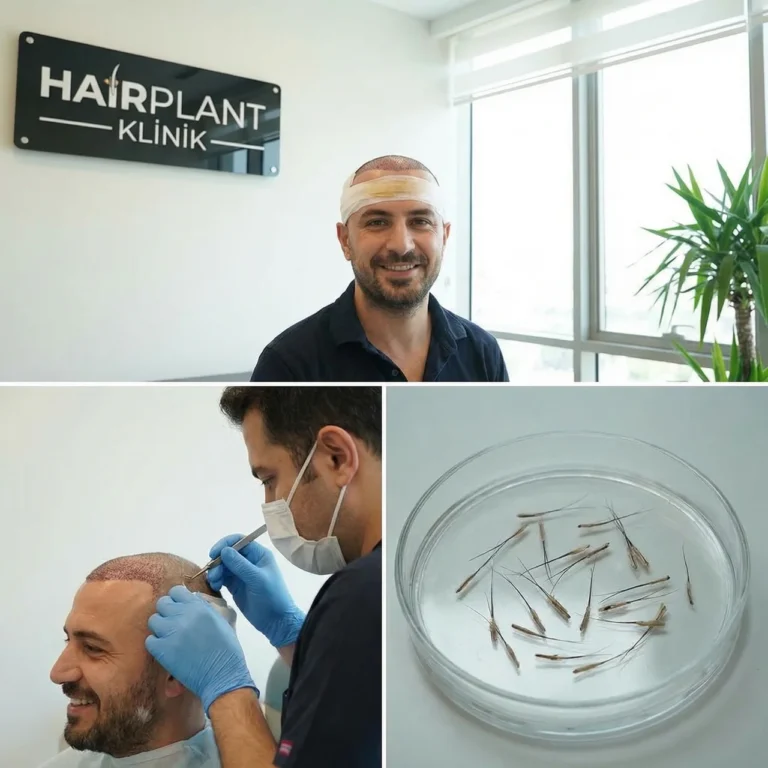
The Masterclass Guide to DHI Hair Transplant: Why It’s the Gold Standard in 2026
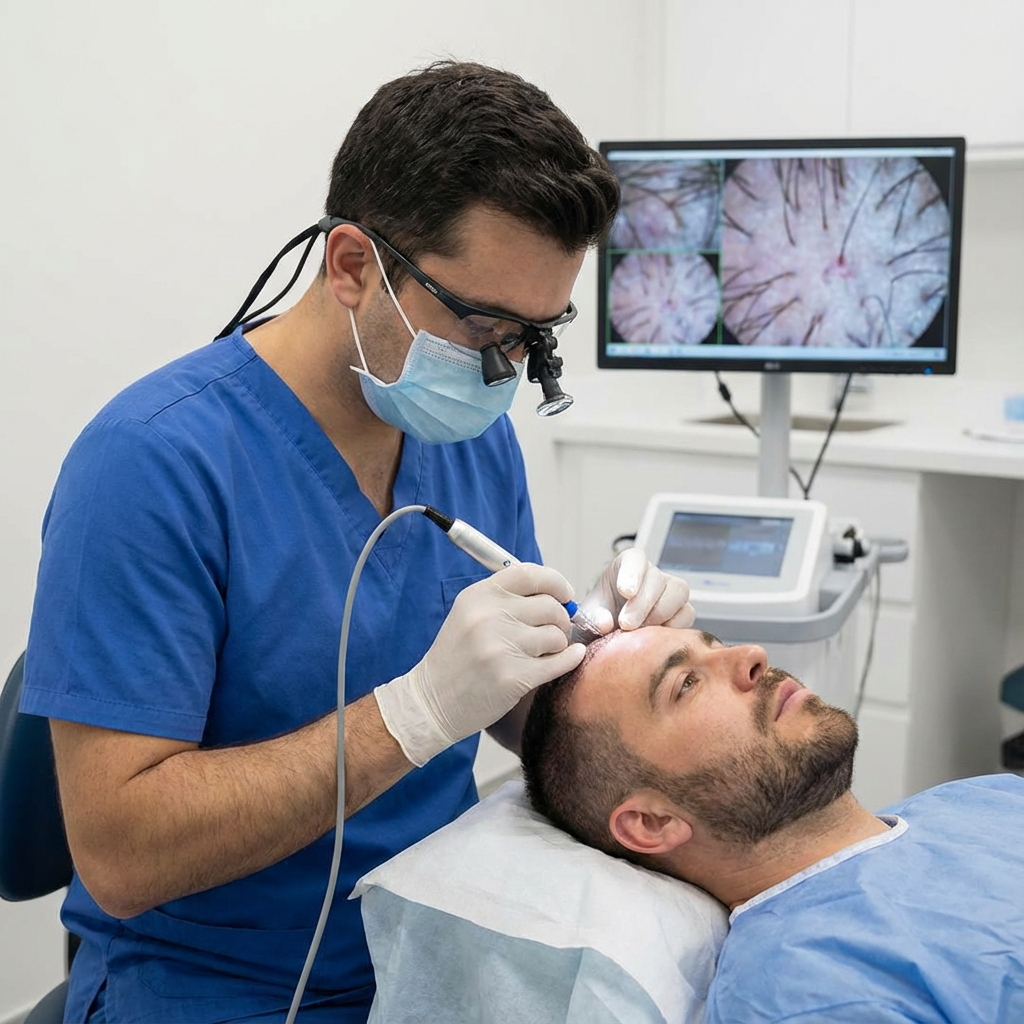
For decades, the journey to restoring lost hair was paved with compromises. Patients often had to choose between significant scarring, unnatural-looking “plugs,” or long, painful recovery periods. However, the evolution of medical technology has brought us to a pinnacle in hair restoration: the DHI hair transplant.
As we move through 2026, this technique has moved from being a “niche alternative” to the most requested procedure in high-end clinics globally. But a decision this big requires more than just knowing the name. In this 1000-word deep dive, we will explore the intricate mechanics, the biological advantages, and the lifestyle benefits that make this method the absolute gold standard for modern hair restoration.
1. The Anatomy of Innovation: What is DHI?
To understand a DHI hair transplant, we first have to understand what it improved upon. The industry began with FUT (Strip method), which left a linear scar. Then came FUE (Follicular Unit Extraction), which removed individual follicles but required the surgeon to “pre-cut” channels in the scalp using blades or needles.
DHI, or Direct Hair Implantation, is the refinement of the FUE process. The defining difference is the Choi Implanter Pen. This device is a specialized medical tool that features a hollow needle connected to a plunger. Instead of making an incision and then placing a hair into it with forceps, the surgeon loads the hair into the pen and “injects” it directly into the scalp. This might sound like a small change, but in the world of microsurgery, it is a revolution.
2. The Surgical Process: A Day in the Life
A common question patients ask is, “What actually happens during those hours in the chair?” A DHI hair transplant is a marathon of precision.
The Extraction Phase
The day begins with the extraction of donor follicles, usually from the back or sides of the head where hair is genetically programmed not to fall out. Using a micro-punch tool (usually less than 1mm in diameter), the surgeon harvests these follicles one by one.
The Preservation Phase
Once extracted, the follicles are placed in a chilled, nutrient-rich solution. In a DHI hair transplant, this phase is much shorter than in traditional methods. Because the implantation is so direct, the time the hair spends disconnected from a blood supply is kept to an absolute minimum, which is vital for the survival of the graft.
The Implantation Phase
This is the “Artistic Phase.” The surgeon takes the loaded Choi pens and begins the implantation. This is where the skill of the doctor truly shines. They must consider:
- The Angle: Hair doesn’t grow straight up; it grows at an angle (usually 10 to 45 degrees).
- The Direction: Following the natural “swirl” of your hair.
- The Depth: Placing the follicle deep enough to reach the blood supply, but not so deep that it causes cysts.
3. Why the “Direct” Method Wins: The Biological Benefits
The reason a DHI hair transplant is often more successful in terms of hair density comes down to trauma. In traditional FUE, creating a channel with a blade causes a small amount of bleeding and trauma to the surrounding tissue. When the follicle is later placed there, it has to “settle” into a wounded area.
In DHI, the needle of the Choi pen is so fine that it creates the smallest possible entry point. Because the follicle is placed simultaneously as the hole is made, the tissue fits snugly around the hair. This leads to:
- Reduced Bleeding: Minimal trauma means minimal blood loss.
- Increased Graft Survival: Follicles are delicate. The less they are handled with forceps, the higher the chance they will “take” and grow permanently.
- Higher Density: Because the “wounds” are smaller, the surgeon can place hairs closer together without the risk of “tissue popping,” where placing one graft causes a nearby one to pop out.
4. The “No-Shave” Advantage
One of the biggest psychological barriers to hair surgery is the “big reveal.” Many men and almost all women are hesitant to shave their entire heads. This is where the DHI hair transplant offers a massive lifestyle benefit.
Because the surgeon uses a pen, they can navigate between existing long hairs. This allows for a “Long Hair Transplant” or “Partial Shave” approach. You can walk out of the clinic, and if you have even moderate length in your existing hair, the scabs and redness are almost entirely hidden. This allows for a level of privacy that traditional FUE simply cannot provide.
5. Recovery and The Timeline of Transformation
Post-operative care for a DHI hair transplant is straightforward but requires discipline.
- Days 1–5: The focus is on protection. You will be given a special wash routine to keep the area clean without dislodging the grafts.
- Days 7–14: The tiny scabs will fall off. At this point, you look like you just have a very short buzz cut.
- The “Shock Loss” Phase: Between week 3 and month 2, the newly transplanted hair will fall out. Do not panic. This is a necessary part of the biological process. The root is safe and healthy; it is simply shedding the old hair shaft to grow a new, stronger one.
- Months 4–6: You will start to see fine, thin hairs appearing.
- Month 12: The final result. At this stage, your hair is fully matured, can be cut, styled, and dyed just like your original hair.
6. The Role of Digital Simulation in DHI
In 2026, we no longer rely on sketches or “guessing.” Before a single hair is moved, we use hair transplant simulation software. This allows the patient to see a 3D model of their face with the new hairline. This is particularly important for DHI because the density is so high.
By seeing the result digitally, the surgeon can map out exactly where the high-density areas should be to create the most natural “shadowing” on the scalp. It turns a medical procedure into a data-driven art form.
7. Is DHI Right for Everyone?
While the DHI hair transplant is incredible, it is a labor-intensive process. Because each hair is loaded into a pen, it takes longer than FUE. For patients who are completely bald and need 5,000+ grafts, a surgeon might recommend a combination of techniques. However, for those looking to fix a receding hairline, fill in a thinning crown, or lower a forehead, DHI is almost always the superior choice.
8. Final Thoughts: The Investment in Yourself
Choosing a hair transplant is about more than just vanity; it is about reclaiming the person you see in the mirror. The DHI hair transplant represents the pinnacle of that journey. It is a more expensive option, yes—but when you consider the increased graft survival, the lack of a shaved head, and the incredibly fast recovery, the value is clear. You aren’t just paying for a surgery; you are paying for the peace of mind that comes with the best technology available in 2026.
Masterclass DHI Hair Transplant FAQ
It is a high-precision procedure using the Choi Pen to ensure follicles are placed at the perfect angle and depth for a natural look.
By implanting follicles directly after extraction, DHI minimizes the time hair spends outside the body, leading to much higher survival rates.
DHI is great for detail, but for total coverage, we often suggest a hybrid plan using Scalp Micropigmentation (SMP) to maximize visual thickness.
The Choi Pen implants hair without needing prior incisions, which means less bleeding, faster recovery, and zero damage to existing hair.
Yes, DHI is ideal for corrective work. When combined with SMP, it can hide old scars and fill in thin spots from previous surgeries.
Quality takes time. A master-level session usually lasts 6-8 hours to ensure every single graft is placed with perfect precision.
Avoid sun and exercise for 14 days. Many clients then use SMP after healing to reach their ultimate density goals.
Yes. Because the surgeon can control the exact direction of growth, DHI is the gold standard for restoring delicate temple areas.
While optional, SMP is the best way to achieve ‘HD Density’ by removing the contrast between the scalp and your new hair.
Visit hairsimulate.com for a professional analysis of your hair loss and a custom restoration plan designed for your needs.