Chromatic Confidence: The Rise of the Hair Dye Color Simulator
The anxiety of a permanent decision is a universal human experience, but few choices feel as immediate and visible as changing the color of your hair. For decades, we relied on tiny, static swatches or the hope that the person on the box shared our exact skin undertones. However, as we move through 2026, that uncertainty has been replaced by a digital safety net. The hair dye color simulator has shifted from a playful novelty into a critical tool for self-expression, allowing us to traverse the rainbow before the first drop of dye ever touches our scalp.
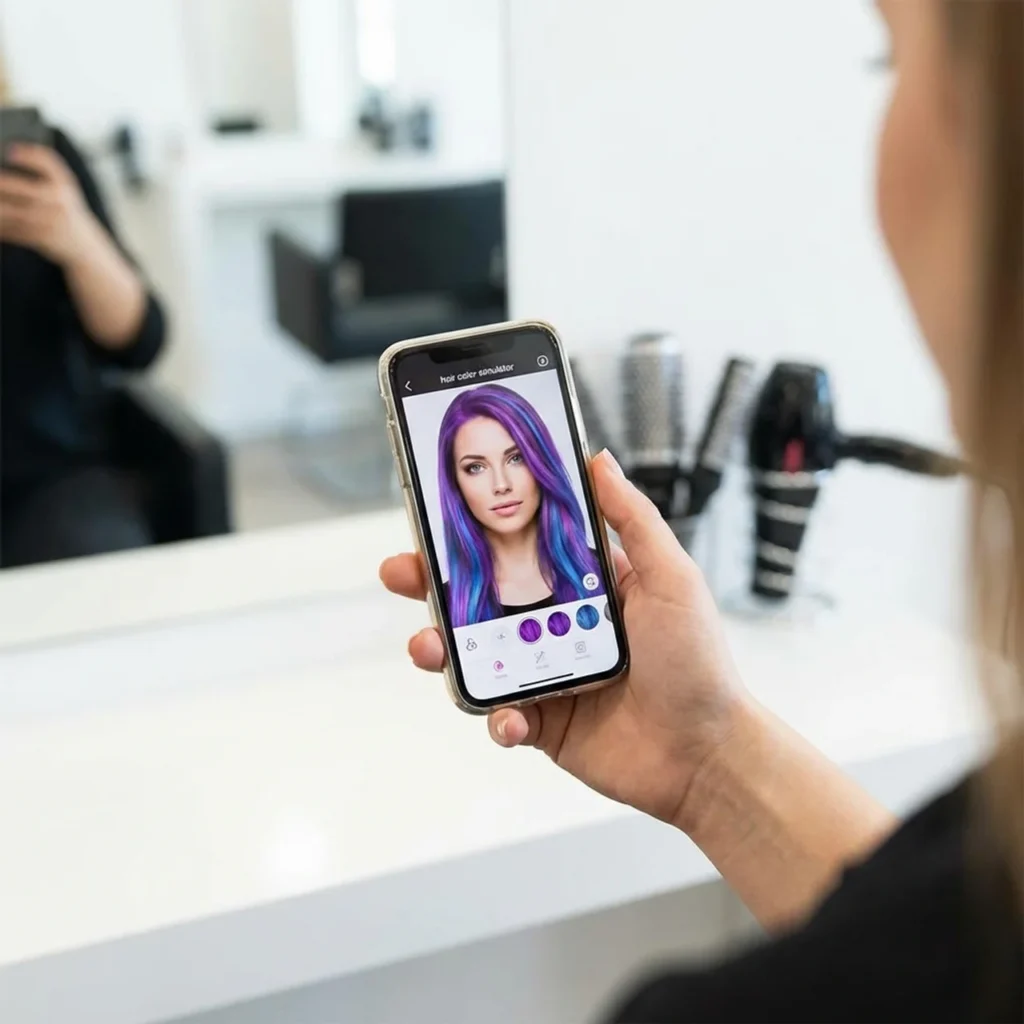
Modern technology has transformed our smartphones into sophisticated vanity mirrors. With a different hair color simulator, the barrier to experimentation has vanished. Whether you are a natural brunette curious about the world of copper or a silver-haired individual looking to refine your tone, the ability to see a hyper-realistic preview in real-time is changing not just how we look, but how we feel about change itself.
1. The Anatomy of Realism in Modern Simulation
The reason a hair dye color simulator feels so different in 2026 compared to early apps is “Neural Rendering.” Early versions often looked like a flat, digital sticker placed over your head. Today, the software understands that hair is not a single solid block.
Light, Shadow, and Texture
A high-quality hair dye color simulator tracks individual hair strands and how they interact with ambient light. This means if you are standing near a window, your virtual “honey blonde” will catch the sunlight exactly as real hair would. This level of detail is essential for a hair highlights simulator, which must blend lighter ribbons into a darker base without creating harsh, unnatural lines.
The Role of Artificial Intelligence
Artificial intelligence now analyzes your current hair health and porosity. If you use a hair dye simulator online, the AI might warn you that achieving a “Teddy Bear Blonde” from a deep black base will require multiple sessions, actually showing you the realistic intermediate stages. This honesty in technology builds trust between the user and their future stylist.
2. Navigating the Brand Ecosystem: From Garnier to L’Oréal
Not all simulators are created equal. Some are designed for artistic play, while others are built for precise product matching.
The Garnier Hair Color Simulator Experience
The Garnier hair color simulator has become a gold standard for at-home dyers. By using their “Shade Selector” technology, users can scan a box in a retail store and instantly see that specific formula on their own reflection. It eliminates the “buyer’s remorse” of picking a shade that looks beautiful on a model but washes out the user’s specific complexion.
Specialized Tools for Every Shade
For those looking for specific color families, specialized filters offer deeper accuracy:
- Ginger Hair Simulator: Perfect for those chasing the 2026 trend of “Burnt Sienna” or “Amber Cinnamon.”
- Hair Dye Color Simulator: Focused on the chemistry of the dye, showing how vibrant pigments like teal or rose gold will look as they gradually fade over weeks.
- Hair Color Change Simulator: A versatile tool for those who want to jump across the color wheel—from cool ash tones to warm, liquid brunettes.
3. Beyond the Color: The Full Aesthetic Transformation
A change in hue often demands a change in style. The most advanced hair dye color simulator platforms now integrate “total look” features.
The Synergy of Cut and Color
We often forget that a color can look entirely different on a bob versus long, cascading waves. This is why many users pair their search with a hair simulator color tool that also adjusts length. Seeing how a metallic silver looks with a sharp, geometric cut can be a revelation, steering you away from a choice that doesn’t fit your facial structure.
Highlighting and Dimension
One-tone hair is increasingly rare in 2026. The “Lived-In” look is the new luxury. A hair highlights simulator allows you to “paint” virtual light onto your hair. You can experiment with “Air Touch Balayage” or “Money Piece” highlights to see how face-framing brightness can lift your entire appearance without the need for a full head of bleach.
4. Why You Should Never Dye Without a Simulator
The benefits of using a hair dye color simulator extend far beyond simple curiosity. It is a tool for financial and chemical health.
- Cost Avoidance: Corrective color is the most expensive salon service. Using a hair dye color simulator prevents the $500 mistake.
- Skin Tone Harmony: The simulator detects if you have warm, cool, or neutral undertones, suggesting shades that make your eyes pop rather than making your skin look sallow.
- Confidence in the Chair: When you show your stylist a saved render from a different hair color simulator, you eliminate the “miscommunication gap.” You aren’t just asking for “blonde”; you are showing them the exact tone of “Suede Blonde” you desire.
5. Conclusion: Designing Your 2026 Identity
We no longer have to live with the fear of a “bad hair day” that lasts for months. The different hair color simulator has turned our identity into a canvas that we can edit with zero risk. Whether you’re exploring a ginger hair simulator for a seasonal change or using a hair highlights simulator to add subtle dimension, the power is in your hands.
In an era where authenticity and health are the ultimate trends, using technology to find your “perfect match” isn’t about being artificial—it’s about finding the version of you that feels most real.
The Rise of the Hair Dye Simulator: Top 10 FAQ
It eliminates the risk of choosing a color that doesn’t suit your skin tone or features. It’s a risk-free way to explore bold transformations before any chemicals are used.
The AI identifies individual strand patterns—whether they are straight, curly, or kinky—to simulate how light and color will play off your unique hair volume.
Yes, 2026 models can project how a color will look after several weeks of washing, helping you understand the long-term maintenance of a specific shade.
Absolutely. The simulator analyzes your current base and simulates how a new layer of dye will interact with existing pigments to avoid uneven results.
Many high-end simulators link your digital result to professional color codes, allowing you to ask your stylist for an exact formula match.
The tool lets you selectively ‘apply’ color to certain sections, letting you compare a solid look against techniques like balayage or money-piece highlights.
Yes, it’s a key communication tool. Stylists use it during consultations to ensure both they and the client have the same final vision in mind.
The AI automatically analyzes your complexion to suggest ‘Warm’ or ‘Cool’ palettes that will naturally enhance your facial features and digital persona.
While it is 98% visually accurate, it cannot account for your hair’s internal health. A physical strand test is always recommended for dramatic changes.
Simply upload a clear photo to hairsimulate.com. Our AI will map your silhouette and let you explore thousands of professional shades in seconds.