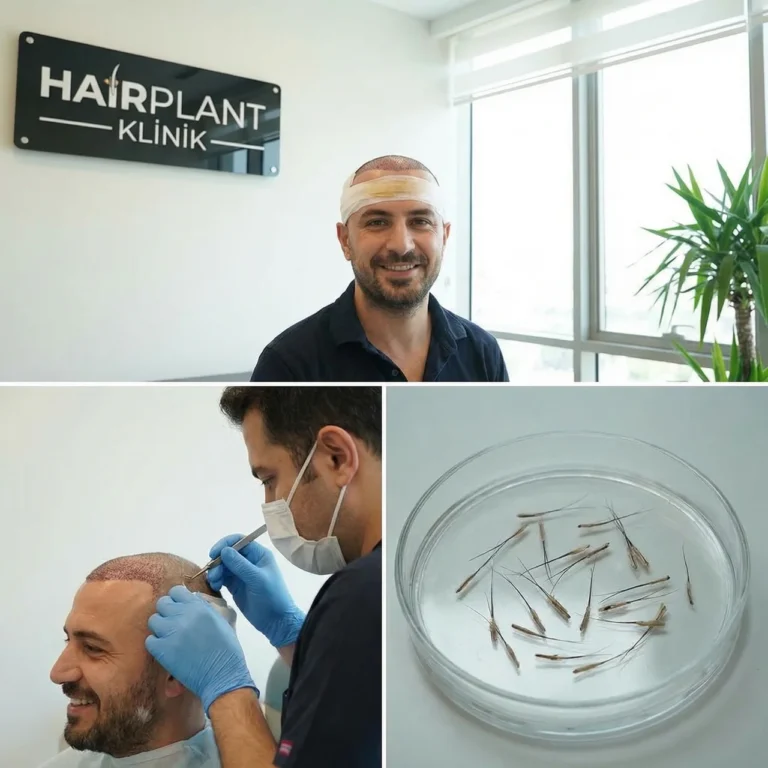
Beyond the Scalpel: The 2026 Masterclass on Male Hair Restoration
The narrative around male grooming has shifted dramatically. In 2026, maintaining one’s appearance is no longer seen as vanity; it’s seen as maintenance. For the millions of men noticing a receding hairline or a thinning crown, the phrase male hair restoration has become a beacon of hope. We are no longer living in an era where you have to “just accept it.”
Whether you are looking into men’s hair implants or researching the latest in male hair implants, technology has reached a point where hair loss can be treated with surgical precision and artistic flair. This guide will walk you through everything you need to know about the modern male hair restoration journey.
1. The Evolution of Male Hair Restoration

If you look back twenty years, the options were limited and often looked unnatural. Today, male hair restoration is a multi-billion dollar industry driven by AI, robotics, and advanced cellular therapy. The goal is no longer just “adding hair”—it’s about restoring the framing of the face in a way that looks entirely untouched by a surgeon’s hand.
The modern man understands that male hair transplant is an investment in his professional and personal life. Studies continue to show that a full head of hair is often linked to perceptions of youth, energy, and leadership.
2. Men’s Hair Transplant vs. Male Hair Restoration
Often, people use these terms interchangeably, but there is a slight nuance. A men’s hair transplant refers specifically to the surgical act of moving follicles. However, male hair transplant is a holistic term that includes the surgery, the post-op care, PRP treatments, and the long-term maintenance of the non-transplanted hair.
When you commit to male hair transplant, you aren’t just buying a one-day surgery; you are committing to a long-term plan to keep your hair looking thick for decades.
3. Dealing with the Ghost of “Hair Plugs Men”
One of the biggest fears men have is ending up with the “doll-hair” look associated with hair plugs men used to get in the 80s and 90s. We need to be clear: the era of “plugs” is dead.
Back then, hair plugs men received were large clusters of skin containing 20+ hairs. Modern male hair restoration uses Follicular Unit Extraction (FUE). We move hair in natural groupings of 1 to 4 hairs. This allows for a graduation of density that looks natural even under direct sunlight or when the hair is wet.
4. Understanding Men’s Hair Implants and Male Hair Implants
The terminology can be confusing. When discussing men’s hair implants or male hair implants, most surgeons are referring to the “implantation” phase of a transplant.
- DHI (Direct Hair Implantation): This is the gold standard for male hair implants in 2026. Using a Choi Implanter pen, the surgeon can control the exact angle (usually 40-45 degrees) and direction of every single hair.
- Density: High-quality men’s hair implants allow for a density of 40-60 grafts per square centimeter, which is very close to the natural density of a teenager’s scalp.
5. The Surgical Process: Hair Surgery for Men
What does hair surgery for men actually look like in a modern clinic?
- Design: The surgeon uses AI to draw a hairline that accounts for your facial bone structure.
- Extraction: Individual follicles are taken from the donor area (the “permanent zone” at the back).
- Implantation: The follicles are placed in the thinning areas.
The beauty of 2026 hair surgery for men is that it is minimally invasive. Most patients spend the day watching Netflix or listening to podcasts while the medical team works, and the local anesthesia ensures the process is virtually painless.
6. The Cost of Male Hair Restoration in 2026
The price of male hair restoration varies based on the number of grafts and the technology used.
- Robotic FUE: Utilizing AI robots for extraction can increase the price but offers 99% graft survival rates.
- Manual DHI: Often preferred for the hairline because of the “human artistic touch.”
On average, a comprehensive male hair restoration plan ranges from $4,000 in medical tourism hubs like Istanbul to $15,000+ in premium clinics in New York or London.
7. Recovery: From Red Dots to Full Growth
After your hair surgery for men, there is a 12-month timeline:
- Week 1: Scabs form and fall off.
- Month 3: The “shock loss” happens (don’t worry, it’s normal).
- Month 6: The first real growth appears.
- Month 12: Full male hair restoration results are visible.
8. Conclusion: Why Wait?
If you have been looking at old photos of yourself and feeling a sense of loss, remember that male hair restoration is more accessible and effective today than ever before. You don’t have to settle for the “pluggy” results of the past or live with the anxiety of thinning hair.
The technology of men’s hair transplant has evolved. The artistry of male hair restoration is at its peak. Take the first step—consult with a specialist and see how modern science can bring back your original silhouette.
Masterclass on Male Hair Restoration: FAQ
A natural hairline avoids the ‘straight-line’ look. Using AI, we design irregular, age-appropriate patterns that match your facial symmetry and aging process for a seamless result.
Temple restoration is an art. It requires single-hair grafts placed at a very flat angle to flow with your native hair, framing the face and completing the restoration look.
Yes. AI calculates your total donor capacity to prevent ‘over-harvesting.’ This ensures you have enough hair for future needs if your natural dökülme continues.
If hair is placed at the wrong angle, it looks like ‘doll hair.’ Masterclass techniques ensure hair follows your natural growth direction, which you can see in our AI previews.
We use ‘Graduated Density’—softer at the front and thicker in the mid-scalp. This creates a natural volume transition that is indistinguishable from original hair.
Yes, ‘No-Shave’ techniques exist. While great for smaller hairline adjustments, we use simulation to show you if a full shave might offer better precision for larger areas.
Absolutely. SMP is a ‘density multiplier.’ It’s a master technique to hide scalp contrast when donor hair is limited, giving a much thicker visual appearance.
Patience is key. While growth starts early, the ‘Masterclass’ texture and fullness peak at 12-18 months. Our AI reports help you track your progress along the way.
Yes. Repair planning is a core use for our AI. It helps visualize how to correct bad hairlines and camouflage old scars for a natural, secondary restoration.
A digital blueprint is your technical contract. It ensures you and your surgeon are aligned on the graft count, design, and goal before the surgery even begins.