Scientific Breakthroughs in Treating Pattern Hair Loss in 2026
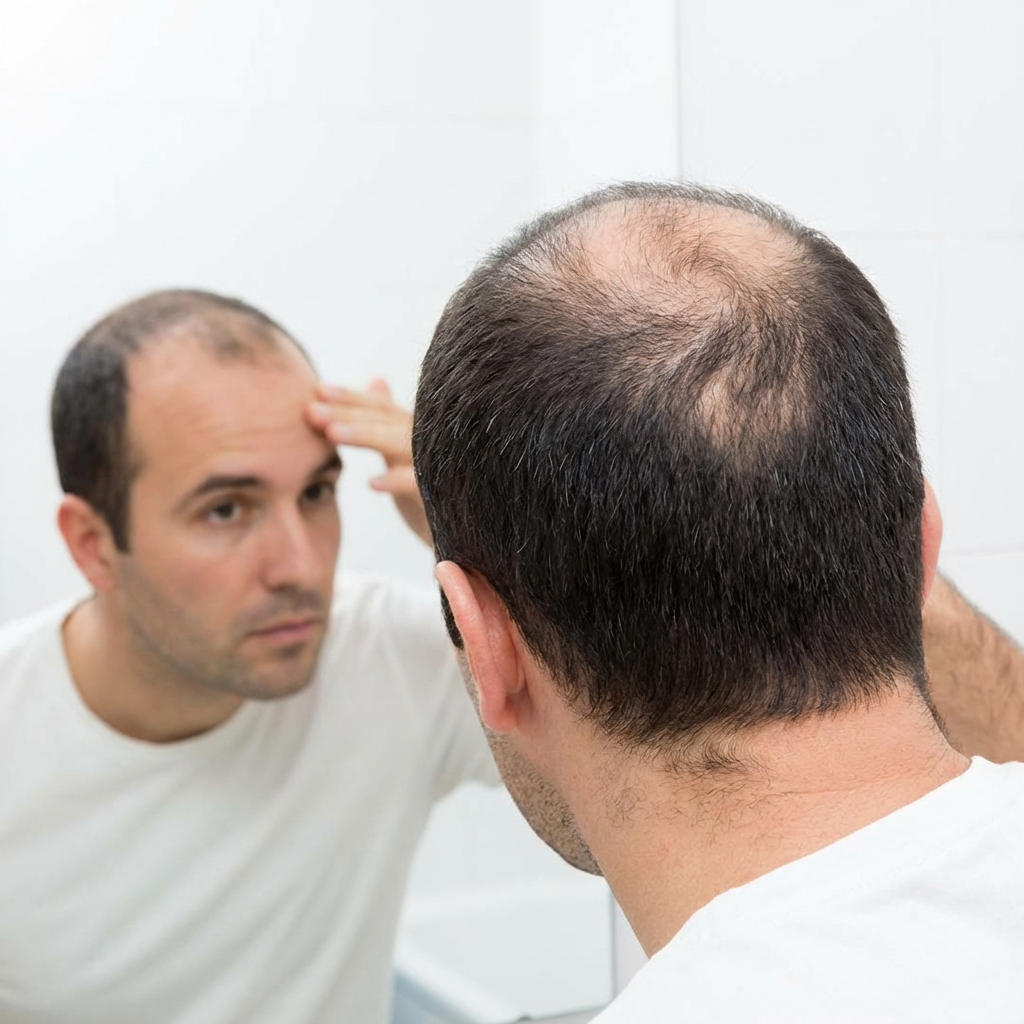
The biological complexity of the human scalp remains one of the most fascinating frontiers in regenerative medicine. As we progress through 2026, our clinical approach to pattern hair loss—medically identified as androgenetic alopecia (AGA)—has moved beyond mere symptomatic management. We are now entering an era of “Follicular Programming,” where we treat hair loss at its genetic and metabolic roots. Affecting millions of men and women globally, this condition is no longer viewed as an inevitable consequence of aging but as a manageable disruption in the cellular signaling pathways of the hair follicle.
In this comprehensive scientific review, we will explore the molecular mechanisms of miniaturization, the role of the scalp microbiome, and the cutting-edge therapies—from exosome signaling to AI-driven restoration—that are redefining the treatment of pattern hair loss.
1. The Pathophysiology of Follicular Miniaturization
The hallmark of pattern hair loss is a process known as miniaturization. This is a progressive phenomenon where the hair follicle’s growth phase (anagen) becomes shorter, while the resting phase (telogen) remains the same or lengthens. Over successive cycles, the terminal hair—which is thick, pigmented, and long—is replaced by vellus hair, which is fine, short, and non-pigmented.
By 2026, research has confirmed that this is not just a result of follicle death. Instead, the hair follicle stem cells (HFSCs) remain present in the scalp, but they fail to receive the necessary activation signals from the surrounding niche. In patients with pattern hair loss, the dermal papilla cells (DPC) at the base of the follicle undergo a form of cellular senescence, meaning they are alive but “dormant,” unable to trigger the production of a new hair shaft.
2. The Hormonal Cascade: DHT and Beyond
The primary driver of pattern hair loss remains the interaction between circulating androgens and the genetic sensitivity of the follicles. Dihydrotestosterone (DHT), a potent metabolite of testosterone, binds to androgen receptors in the dermal papilla of susceptible follicles.
In 2026, our understanding of this mechanism has become more nuanced. It is not simply the amount of DHT in the blood that matters, but the density and sensitivity of the receptors within the scalp. When DHT binds, it triggers a cascade of inhibitory proteins, such as TGF-β1, which essentially “suffocate” the hair growth cycle. Targeted therapies now focus on silencing these specific inhibitory signals rather than suppressing systemic hormones, offering a more precise way to combat pattern hair loss without the side effects associated with older oral medications.
3. Metabolic Reprogramming: The Lactate Switch
One of the most revolutionary discoveries in 2026 is the “Metabolic Switch” theory for treating pattern hair loss. Research has shown that hair follicle stem cells require a specific metabolic state—specifically, increased lactate production—to “wake up” and start a new anagen phase.
New topical small molecules are now being used to artificially trigger this lactate production. This metabolic intervention bypasses the hormonal blockages entirely, allowing follicles that have been dormant for years to begin producing terminal hair once again. This is particularly promising for patients with pattern hair loss who have not responded well to traditional DHT-blocking therapies.
4. Exosome Therapy: The New Signaling Gold Standard
Regenerative medicine has reached a peak with the clinical application of Exosome Therapy 2.0. Exosomes are tiny extracellular vesicles that act as “mail carriers” for the cells, carrying mRNA, proteins, and growth factors. In the treatment of pattern hair loss, these vesicles are derived from mesenchymal stem cells and injected into the thinning areas.
Unlike older PRP (Platelet-Rich Plasma) treatments, which varied in quality from patient to patient, lab-purified exosomes provide a standardized, high-potency dose of “growth signals.” These signals counteract the miniaturization process by stimulating the Wnt/β-catenin pathway—the master switch for hair follicle regeneration. This has become a cornerstone of non-surgical pattern hair loss management in 2026.
5. The Scalp Microbiome and “Inflammaging”
A rising field in 2026 is the study of the scalp microbiome and its impact on pattern hair loss. Chronic, low-grade inflammation—often termed “inflammaging”—is now recognized as a significant accelerator of follicular decline. An imbalance in the scalp’s bacterial and fungal populations can trigger an immune response that further damages the follicular bulge.
Modern protocols now include “Scalp Skinification,” where antioxidants and anti-inflammatory peptides are used to restore the microbiome. By calming the inflammatory environment, we can slow down the progression of pattern hair loss and create a more receptive environment for other growth stimulants to work effectively.
6. Female Pattern Hair Loss: A Targeted Approach
While the mechanisms are similar, the presentation of hair loss in women is distinct. Often referred to as Female Pattern Hair Loss (FPHL), it usually manifests as a diffuse thinning across the top of the scalp rather than a receding hairline.
In 2026, we emphasize that FPHL is often multi-factorial, involving estrogen fluctuations, iron deficiencies, and thyroid health. The scientific standard for treating pattern hair loss in women now includes a “Biochemical Panel” to rule out nutritional deficiencies before starting hormonal or surgical interventions. This holistic approach ensures that women receive the most effective treatment for their specific biological profile.
7. AI-Driven Hair Restoration: Precision in 2026
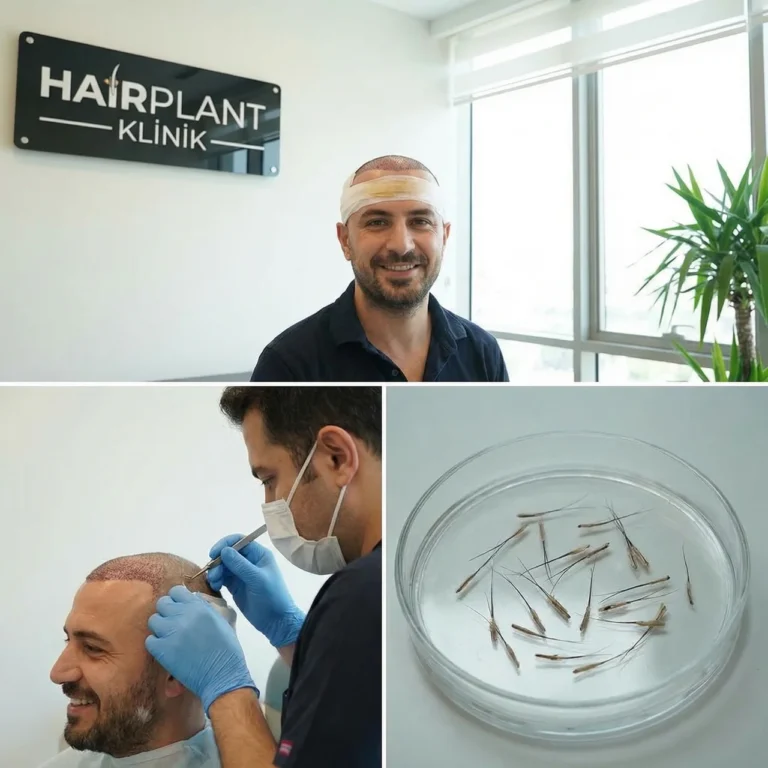
For many, surgery remains the most effective way to restore areas of significant depletion. In 2026, the surgical treatment of pattern hair loss has been transformed by Artificial Intelligence. AI algorithms now analyze the donor area in real-time, selecting only the most robust follicular units for extraction to ensure maximum longevity.
Furthermore, 3D biometric modeling allows surgeons to design a “mature” hairline that fits the patient’s facial aging trajectory. This prevents the “uncanny” look of a juvenile hairline on an older patient, ensuring that the correction of pattern hair loss remains natural and undetectable for decades.
8. The Life-Cycle of Maintenance: Post-Op Preservation
A successful intervention for hair thinning is not a one-time event; it is a lifelong commitment to preservation. Because the underlying genetic tendency remains, even transplanted hair requires a maintenance routine.
In 2026, this involves “Personalized Pharmacogenetics.” Every patient undergoes a DNA test to see which medications (such as Minoxidil or Finasteride) their body will respond to most effectively. This data-driven approach eliminates the “wait and see” period, allowing patients to stay ahead of the pattern hair loss curve with a proactive and scientifically backed defense strategy.
9. Engineering the Future: The Road to Hair Cloning
As we look toward the horizon, the clinical community is optimistic about “Follicular Neogenesis” or hair cloning. While we have already mastered the art of moving hair, the future of treatment lies in creating new hair. Phase 3 trials in late 2025 have shown success in multiplying dermal papilla cells in a lab and re-injecting them to induce new follicle formation. This would provide an infinite donor supply, effectively making baldness a choice rather than a condition.
10. Conclusion: Reclaiming the Narrative of Hair Health
In 2026, we have the most advanced toolkit in history to combat pattern hair loss. From metabolic small molecules and exosome signaling to AI-assisted surgery and genetic testing, the science of hair restoration has reached a point of unprecedented precision. We no longer just hope for growth; we engineer it.
The key to successfully managing the condition remains early intervention and a multi-disciplinary approach. By understanding the molecular blueprint of our hair follicles, we can intervene effectively, restore density, and—most importantly—restore the confidence of those affected by this condition. The future of hair health is not just about aesthetics; it is about the triumph of regenerative science over biological decline.
Science & Hair Loss FAQ
The latest breakthroughs include stem cell therapy, exosome treatments, and advanced scalp micropigmentation techniques that offer immediate visual density solutions.
Hair cloning is currently in advanced clinical trials. While it shows great promise, medical-grade hair simulation remains the most reliable non-surgical option available today.
Science links pattern baldness primarily to DHT (dihydrotestosterone) sensitivity in hair follicles, which is determined by genetics.
Stem cell therapy aims to rejuvenate dormant follicles. While it can improve hair health, many patients combine it with SMP for a complete aesthetic transformation.
Yes. At hairsimulate.com, we use biocompatible, organic pigments specifically formulated for the scalp to ensure zero adverse scientific reactions.
Low-Level Laser Therapy works best on follicles that are thinning but not yet dead. For fully bald areas, simulation is a scientifically superior visual solution.
The crown area has different blood flow dynamics. Scientific restoration often favors simulation for the crown to guarantee 100% visual coverage.
Biological treatments take 6-12 months. However, hair simulation (SMP) provides an immediate scientific breakthrough for the patient’s appearance.
Yes, stress causes temporary shedding, but if it accelerates genetic thinning, a permanent aesthetic solution like SMP is often required.
The future is a hybrid approach: using regenerative medicine to maintain existing hair and high-precision simulation to achieve perfect density.